For Call Support:
977-1-4529994

Max Trekking Altitude

5,100 m (16,732 ft)

Group Size

2 to 12 people

Best time to go

March to May (Spring) September to November (Autumn)

Highlights

    Trekking Through Pristine Wilderness
    The Lumba Sumba Trek takes you through some of Nepal’s most untouched wilderness areas, offering a raw, authentic experience of the Himalayas. You’ll trek through dense forests, remote valleys, and isolated high-altitude plateaus, offering stunning landscapes at every turn.

    Crossing the Lumba Sumba Pass (5,300m)
    The trek’s main highlight is the challenging ascent and crossing of the Lumba Sumba Pass, which stands at 5,300 meters. The pass offers panoramic views of some of the most famous peaks in eastern Nepal, including Kanchenjunga, Makalu, Baruntse, and Chamlang, making it a true test of endurance and a significant achievement.

    Diverse Flora and Fauna in Kanchenjunga and Makalu Barun Regions
    As you journey through the Kanchenjunga Conservation Area and Makalu Barun National Park, you’ll encounter a remarkable variety of ecosystems. From subtropical forests to alpine meadows, this region is home to rare wildlife such as the snow leopard, red panda, and various species of pheasants. The diversity of flora and fauna makes the trek a nature lover’s paradise.

    Incredible Views of Makalu, Kanchenjunga, and Other Peaks
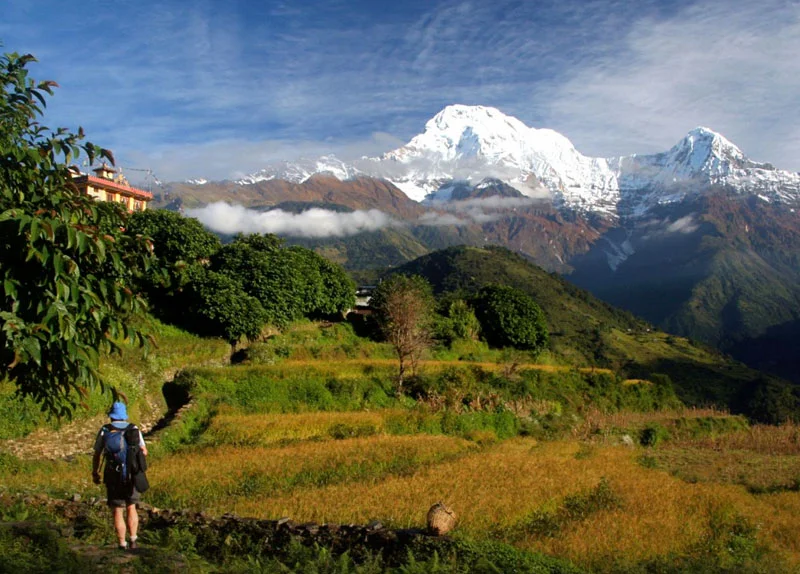
    Throughout the trek, you’ll enjoy breathtaking views of some of the highest peaks in the world, including Kanchenjunga, Makalu, Baruntse, Chamlang, and Kangchenjunga. The vistas are awe-inspiring, especially from the Lumba Sumba Pass and other high-altitude points along the route.

    Cultural Encounters with Local Communities
    The Lumba Sumba Trek offers an opportunity to interact with isolated villages and the ethnic communities that call this region home. Trek through the villages of Rai, Sherpa, and Limbu people, and experience their unique traditions, festivals, and ways of life. Visit local monasteries, witness daily life, and enjoy the hospitality of the people who live in these remote mountain communities.

    Challenging Terrain and High Altitude
    The trek offers a true adventure challenge, with rugged terrain, steep ascents, and difficult descents. Along with the crossing of high-altitude passes like Lumba Sumba, the trek tests your stamina and resilience, making it an ideal option for experienced trekkers seeking a physically demanding adventure.

    Unspoiled Natural Beauty
    From alpine meadows dotted with wildflowers to glacial lakes, the route offers some of the most unspoiled natural beauty in Nepal. You’ll walk through lush rhododendron forests, cross river valleys, and climb through rugged mountain landscapes, offering an unparalleled connection to nature.

    Spectacular Sunsets and Sunrises
    At higher altitudes, the sunrise and sunset views over the snow-capped peaks are absolutely stunning. The changing light on the mountains creates dramatic contrasts and offers perfect opportunities for photography, especially at places like the Lumba Sumba Pass and nearby ridgelines.

    Remote and Peaceful Trekking Experience
    Unlike the more popular trekking regions, the Lumba Sumba Trek offers a quieter, more peaceful experience, allowing you to truly connect with the surrounding environment. Fewer trekkers visit this part of Nepal, making it an ideal choice for those seeking solitude and serenity in the Himalayas.

    Cultural and Spiritual Exploration
    The trek allows you to visit Buddhist monasteries, chortens, and mani walls, providing a spiritual side to the adventure. The presence of these sacred sites throughout the trek adds a deep cultural and religious dimension to your journey, as you learn about the traditions and spiritual practices of the people living in this region.

Lumba Sumba

A Hidden Himalayan Gem – With Mountain Legend
The Lumba Sumba Trek is one of Nepal’s best-kept secrets—a rare, off-the-beaten-path adventure for those who seek both natural beauty and cultural immersion in a remote and pristine part of the Himalayas. This extraordinary trek takes you through the Makalu-Barun National Park, offering unparalleled views of snow-capped peaks, lush forests, and untouched landscapes.
With Mountain Legend, you can embark on this once-in-a-lifetime journey through an isolated region that remains largely untouched by mass tourism. The trek takes you deep into the heart of eastern Nepal, offering an authentic Himalayan experience where the wilderness meets cultural richness.
Why Choose This Trek?
The Lumba Sumba Trek is an incredible journey that offers a combination of adventure, nature, and culture. The trek takes you through diverse landscapes, including sub-tropical forests, alpine meadows, glaciers, and high mountain passes, all while offering stunning views of Mount Makalu, Kanchenjunga, and other towering peaks of the Himalayas.
Not only does this trek offer incredible natural beauty, but it also leads you to remote villages where traditional cultures remain intact. As you trek through lesser-known trails, you will experience the quiet, peaceful side of Nepal’s highlands—away from the crowds and the typical trekking routes.
Best Time to Go
Spring (March to May) – Ideal for clear skies, warm temperatures, and blooming rhododendrons
Autumn (September to November) – Perfect weather conditions with clear mountain views and cool nights
These seasons provide the best weather for trekking in the Lumba Sumba region, ensuring that trails are accessible, and visibility is at its best.
Elevation and Terrain
Starting Elevation: 1,200m (Basantapur)
Highest Point: 5,150m (Lumba Sumba Pass)
The Lumba Sumba Trek is a challenging and rewarding adventure. You will experience a variety of terrains, from lush forests and terraced fields to high-altitude meadows and glaciers. The trek includes multiple ascents and descents as you pass through remote villages and cross over the high-altitude Lumba Sumba Pass, offering stunning panoramic views of some of the tallest peaks in the world.
The altitude gradually increases, allowing trekkers to acclimatize, but proper preparation and fitness are essential for this challenging trek.
What You’ll See
Mountains: Makalu, Kanchenjunga, Chamlang, and other surrounding peaks
Villages: Basantapur, Chauki, and the settlements of the high-altitude Sherpa and Limbu communities
Landscapes: Dense subtropical forests, alpine meadows, snow-capped peaks, glaciers, and rugged valleys
Wildlife: Red pandas, Himalayan black bears, snow leopards, and an array of bird species
The trek offers unrivaled views of some of the highest and most majestic mountains in the world. As you trek through the Makalu-Barun National Park, you will encounter incredible biodiversity, including rare wildlife species and vibrant flora. The landscapes shift dramatically as you gain altitude, revealing the stark beauty of high-altitude plateaus, glaciers, and snow-capped peaks.
Culture and Local Life
The Lumba Sumba Trek offers a deep cultural experience. The region is home to the Limbu, Sherpa, and Tibetan communities, whose traditions have remained largely unchanged for centuries. The trek allows you to explore the heart of these communities, visiting remote villages and monasteries, where you can interact with the locals and learn about their daily life, customs, and Buddhist practices.
The people you meet along the way are warm and welcoming, often eager to share stories of their heritage, religious beliefs, and mountain traditions. You will have the chance to visit Buddhist monasteries, chortens, and prayer wheels, offering a spiritual insight into the peaceful life of the region’s inhabitants.
Food and Accommodation
As with other remote treks, the food and accommodation in the Lumba Sumba Trek are simple yet comfortable. You’ll stay in local teahouses and guesthouses, which offer a warm place to rest at the end of each day. The meals are nutritious and designed to fuel you through the journey.
Expect traditional Nepali dishes such as:
Dal Bhat (lentils, rice, and vegetables)
Momos (dumplings), noodle soups, and Tibetan breads
Vegetables, potatoes, and rice
Hot drinks like butter tea and herbal teas
Though the facilities may be basic, they offer a cozy, authentic experience of mountain living, complete with the hospitality of the Sherpa and Limbu people.
An Untamed Himalayan Expedition
The Lumba Sumba Trek is perfect for adventurers seeking an off-the-beaten-path trek that offers a unique combination of natural beauty, cultural immersion, and physical challenge. The trek is ideal for those who crave solitude, stunning vistas, and the chance to experience the quieter side of Nepal’s Himalayan wilderness.
At Mountain Legend, we ensure that your journey is comfortable, safe, and full of unforgettable experiences. With expert guides, comprehensive itineraries, and full support throughout the trek, we help you explore the untouched beauty of the Makalu-Barun region.
Ready for the Ultimate Himalayan Adventure?
Join Mountain Legend on the Lumba Sumba Trek and step into a world where nature is pure, cultures are timeless, and adventure awaits at every turn. Cross high mountain passes, trek through pristine forests, and discover the heart of Nepal’s remote Himalayas.
Your adventure begins where the trails end—amidst the grandeur of the Lumba Sumba Pass and beyond.


Itinerary

  • Day 1 Arrival in Kathmandu

    Upon your arrival at Tribhuvan International Airport (TIA) in Kathmandu, a representative from A One Nepal Trek will warmly greet you. You will be transferred to your hotel. Depending on your arrival time, you can either rest or explore the vibrant streets of Kathmandu. In the evening, we will brief you about the trek while enjoying a delicious welcome dinner.
    (Service includes: Airport pickup + Hotel BB Plan)

  • Day 2 Fly from Kathmandu to Suketar and Trek to Chirwa

    After breakfast, we take a scenic flight to Suketar (approximately 35 minutes), in the eastern region of Nepal. From Suketar, we begin our trek to Chirwa, walking for about 5-6 hours through beautiful terraced fields and villages. We will spend the night at a teahouse in Chirwa.
    (Service includes: Airport drop + Flight + Guide + All staff + Breakfast + Lunch + Dinner + Teahouse accommodation)

  • Day 3 Chirwa to Lelep

    We trek through lush forests, crossing suspension bridges and passing through several traditional villages. After 5-6 hours of trekking, we arrive in Lelep, where we will camp for the night amidst scenic beauty.
    (Service includes: Guide + All staff + Breakfast + Lunch + Dinner + Tented camp)

  • Day 4 Lelep to Olangchung Gola

    Today, we follow the path that ascends through rhododendron forests, crossing rivers and high-altitude villages. Olangchung Gola, located at 3,300 meters, is the last village in the area and offers stunning views of the surrounding mountains.
    (Service includes: Guide + All staff + Breakfast + Lunch + Dinner + Tented camp)

  • Day 5 Olangchung Gola to Thudam

    The trek from Olangchung Gola to Thudam takes about 6-7 hours. The trail ascends through lush forests, providing views of the Makalu Barun National Park. Thudam is a traditional Sherpa village that offers a glimpse of local life.
    (Service includes: Guide + All staff + Breakfast + Lunch + Dinner + Tented camp)

  • Day 6 Thudam to Tutu

    From Thudam, we continue our trek through rhododendron and alpine forests. After about 5-6 hours of trekking, we reach Tutu, a peaceful spot surrounded by nature, for an overnight camp.
    (Service includes: Guide + All staff + Breakfast + Lunch + Dinner + Tented camp)

  • Day 7 Tutu to Lumba Sumba Pass (5,150m)

    This is the highlight of the trek! We ascend steeply towards the Lumba Sumba Pass, the highest point of the trek at 5,150 meters. The view from the top is absolutely breathtaking, with panoramic views of the Kanchenjunga and Makalu ranges. We will descend to a campsite below the pass for the night.

    (Service includes: Guide + All staff + Breakfast + Lunch + Dinner + Tented camp)

  • Day 8 Lumba Sumba Pass to Chhewa

    After crossing the Lumba Sumba Pass, we descend towards the village of Chhewa, walking through beautiful alpine meadows and forests. The trek today lasts around 6-7 hours, and we will camp overnight in Chhewa.
    (Service includes: Guide + All staff + Breakfast + Lunch + Dinner + Tented camp)

  • Day 9 Chhewa to Tawa

    We continue our descent, passing through forests and villages, before reaching Tawa, a lovely village where we will spend the night in a teahouse.
    (Service includes: Guide + All staff + Breakfast + Lunch + Dinner + Tented camp)

  • Day 10 Tawa to Hille

    The trek from Tawa to Hille is relatively easier, taking about 5-6 hours. We walk along the Arun River and pass through small villages, enjoying the beautiful scenery.
    (Service includes: Guide + All staff + Breakfast + Lunch + Dinner + Tented camp)

  • Day 11 Hille to Tumlingtar

    We descend further through forests and terraced fields, eventually reaching Tumlingtar after about 5-6 hours of trekking. We will enjoy a well-deserved rest at Tumlingtar, which offers beautiful views of the surrounding hills and valleys.
    (Service includes: Guide + All staff + Breakfast + Lunch + Dinner + Tented camp)

  • Day 12 Tumlingtar to Kathmandu

    After a hearty breakfast in Tumlingtar, we take a flight back to Kathmandu, where we will be transferred to your hotel. Enjoy your evening in Kathmandu with some leisure time to explore or shop.
    (Service includes: Breakfast + Flight + Hotel BB Plan)

  • Day 13 Farewell

    On the final day, we will have a farewell breakfast together and, depending on your flight schedule, you will be dropped off at the airport for your onward journey.
    (Service includes: Breakfast + Airport drop)

Cost Include and Exclude

Include
    • Airport pick-up and drop-off as per the itinerary
    • Flights
    • One porter for every two clients
    • An experienced trekking guide and a porter
    • Meals and accommodation
    • Entry fees
    • Hotel accommodation
    • Ground transportation
    • Twin-sharing teahouse accommodations
    • Duffle bag
    • Farewell dinner
Exclude
    • Nepal visa
    • Alcoholic beverages, bottled mineral water, soft drinks, and snacks
    • Personal medical or evacuation expenses
    • Extra porter for personal day backpacks
    • Riding horses or additional activities
    • Extra costs due to natural disasters
    • Kathmandu/Pokhara sightseeing
    • Extra nights in Kathmandu
    • Clothing, packing items, personal medical kit, and personal trekking gear
    • Meals in Kathmandu and Pokhara
    • Tips or gifts for staff

Frequently Asked Questions

  • What is the Lumba Sumba Trek?

    The Lumba Sumba Trek is a remote and less-traveled trekking route located in the eastern Himalayas of Nepal, in the Kanchenjunga Conservation Area. It offers an extraordinary adventure through stunning landscapes, diverse flora and fauna, and the chance to explore local communities that remain off the beaten path. The trek culminates at the Lumba Sumba Pass, offering panoramic views of the surrounding peaks.

  • How long does the Lumba Sumba Trek take?

    The Lumba Sumba Trek usually takes around 18 to 22 days, depending on your itinerary and pace. The trek includes several acclimatization days to ensure you adjust properly to the altitude and terrain.

  • What is the difficulty level of the Lumba Sumba Trek?

    The Lumba Sumba Trek is considered a strenuous trek. It requires good physical fitness and prior trekking experience, especially in high-altitude environments. The trail includes steep ascents and descents, as well as rough and remote terrain.

  • What is the best time to trek the Lumba Sumba?

    The best times to trek the Lumba Sumba are during the spring (March to May) and autumn (September to November) seasons. These months offer the clearest weather and stable conditions, with moderate temperatures and fewer chances of snowfall or heavy rain.

  • What permits are required for the Lumba Sumba Trek?

    You will need the following permits for the trek:

    • Kanchenjunga Conservation Area Permit: Required to trek within the Kanchenjunga region.
    • TIMS (Trekkers’ Information Management System) Permit: This is required for all trekkers in Nepal.

    Special Permit: As the trek goes through a restricted area, a special permit is required for the Lumba Sumba Trek. This permit can be arranged through a registered trekking agency.

  • Do I need a guide and porter for the Lumba Sumba Trek?

    Due to the remote nature of the trek and its challenging terrain, it is highly recommended to hire a local guide and porter. A guide will enhance your experience by sharing information about the local culture, wildlife, and geography, while a porter will carry your gear, making the trek more manageable.

  • What kind of accommodation is available on the trek?

    Accommodation on the Lumba Sumba Trek typically consists of basic teahouses and lodges in small villages. These teahouses offer simple rooms with shared facilities. In some more remote sections, you may need to camp, and your trekking agency can arrange necessary camping equipment.

  • What should I pack for the trek?

    Important items to pack include:

    • Sturdy trekking boots
    • Warm clothing (layers are crucial for fluctuating temperatures)
    • Sleeping bag (adequate for cold conditions)
    • Trekking poles
    • Water purification tablets or filter
    • Personal toiletries and medications
    • Headlamp or flashlight
    • Camera to capture the stunning views
    • Snacks for the trail

  • What is the altitude of Lumba Sumba Pass?

    The Lumba Sumba Pass sits at an altitude of approximately 5,100 meters (16,732 feet), and trekkers will pass through this challenging point, offering breathtaking views of the surrounding mountains and valleys.

  • What are the risks associated with the Lumba Sumba Trek?

    As with any high-altitude trek, altitude sickness is a risk. Proper acclimatization and staying hydrated are essential to minimize this risk. Additionally, the rugged terrain and remote nature of the trail can make the trek more challenging. Be prepared for sudden weather changes, and always follow the guidance of your guide.

  • What kind of food is available during the trek?

    Along the route, you’ll find traditional Nepali foods such as dal bhat (lentil soup with rice), momo (dumplings), noodle dishes, and soups. Some teahouses may also offer Western-style dishes. Always stick to freshly cooked meals and avoid raw food to reduce the risk of stomach issues.

  • How do I get to the start of the Lumba Sumba Trek?

    The trek typically starts from the town of Ilam or Taplejung in eastern Nepal, both of which can be reached by road or domestic flights from Kathmandu. From there, you will either trek or drive to the starting point of the Lumba Sumba Trek.

  • Can I trek the Lumba Sumba solo?

    Solo trekking is not recommended for the Lumba Sumba Trek due to its remoteness, altitude, and challenging terrain. Trekking with a guide is advisable to ensure safety and provide a better experience on this less-traveled route.

  • What makes the Lumba Sumba Trek special?

    The Lumba Sumba Trek is known for its unique combination of cultural immersion, natural beauty, and adventure. It offers trekkers a chance to explore off-the-beaten-path areas of Nepal, with spectacular views of peaks like Kanchenjunga, Makalu, and Everest. The trek also takes you through beautiful rhododendron forests, remote villages, and pristine valleys, making it a perfect choice for those looking for a more isolated trekking experience in Nepal’s eastern Himalayas.

Testimonials

Similar Tours You May Like

We are affiliated with