For Call Support:
977-1-4529994

Sherpa Village Trek

Trek Grade

Easy

Max Trekking Altitude

3,800 m (12,467 ft)

Group Size

2 to 15 people

Best time to go

March to May (Spring – rhododendron season) September to November (Autumn – best visibility)

Highlights

    Scenic Flight to Lukla

    The trek begins with an exhilarating flight to Lukla, a small mountain airstrip that serves as the gateway to the Everest region. The flight provides breathtaking views of the Himalayas, including Mount Everest and Lhotse, setting the tone for the epic journey ahead.

    Exploring the Traditional Sherpa Villages

    The highlight of the Sherpa Village Trek is the opportunity to explore several traditional Sherpa villages. You will trek through villages such as Namche Bazaar, Khunde, Khumjung, and Bung, where you can immerse yourself in the Sherpa way of life. Visit local homes, interact with the friendly residents, and learn about their centuries-old traditions and customs.

    Cultural Visit to Tengboche Monastery

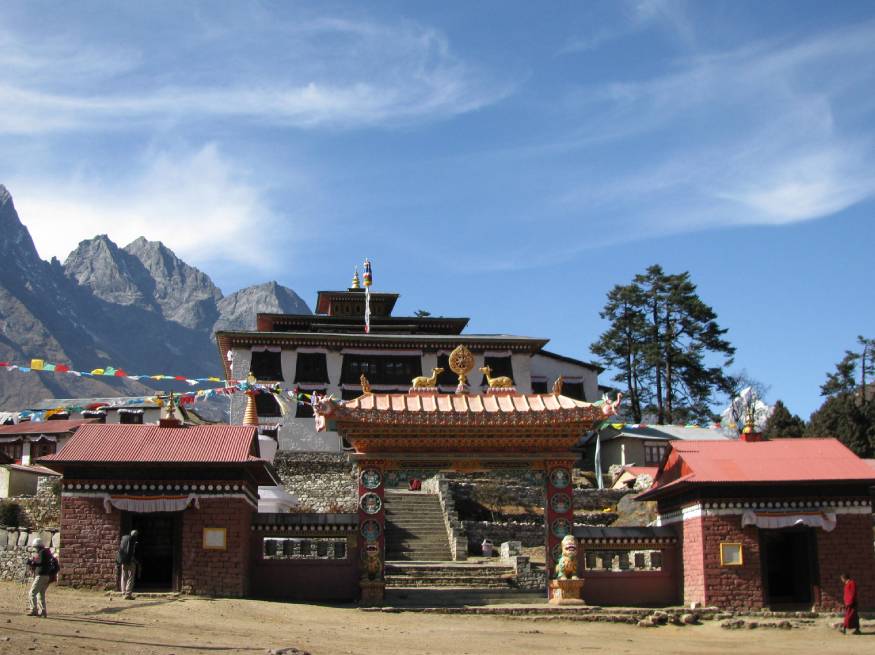
    A major cultural stop along the trek is the Tengboche Monastery, one of the most important Buddhist monasteries in the region. Located at an altitude of 3,867 meters, this monastery offers panoramic views of Everest, Lhotse, and Ama Dablam, along with a peaceful and spiritual atmosphere.

    Stunning Views of Mount Everest and Surrounding Peaks

    Throughout the trek, you’ll be treated to incredible views of Mount Everest and its neighboring peaks, including Lhotse, Ama Dablam, Thamserku, and Kongde. The ever-changing landscape provides a stunning backdrop for the trek, with each day offering new and breathtaking vistas.

    Hiking Through Rhododendron Forests and Alpine Meadows

    The trek takes you through lush rhododendron forests, alpine meadows, and dense pine woods. The vibrant colors of blooming rhododendrons in the spring and the peaceful solitude of the high-altitude meadows create a serene and tranquil trekking experience.

    Experience Sherpa Cuisine and Hospitality

    Along the way, you’ll stay in local teahouses and lodges, where you can enjoy delicious home-cooked Sherpa cuisine. Enjoy traditional meals like dal bhat, momo, and tibetan bread, and experience the warmth and hospitality of the Sherpa people, who are known for their friendliness and generosity.

    Cultural Exploration of Khunde and Khumjung Villages

    The trek passes through the villages of Khunde and Khumjung, both known for their historical significance. In Khunde, you can visit the Khunde Hospital, founded by Sir Edmund Hillary, and in Khumjung, you’ll find the Khumbila Monastery, home to the famous Yeti skull. These villages offer fascinating insights into the rich Sherpa culture.

    Hiking to the Famous Everest Viewpoint

    As you approach Namche Bazaar, you’ll hike to the famous Everest Viewpoint, one of the best spots to capture panoramic views of Everest, Lhotse, and Ama Dablam. The viewpoint provides an awe-inspiring opportunity to take in the sheer scale of the world’s tallest peak.

    Opportunities for Spiritual Reflection

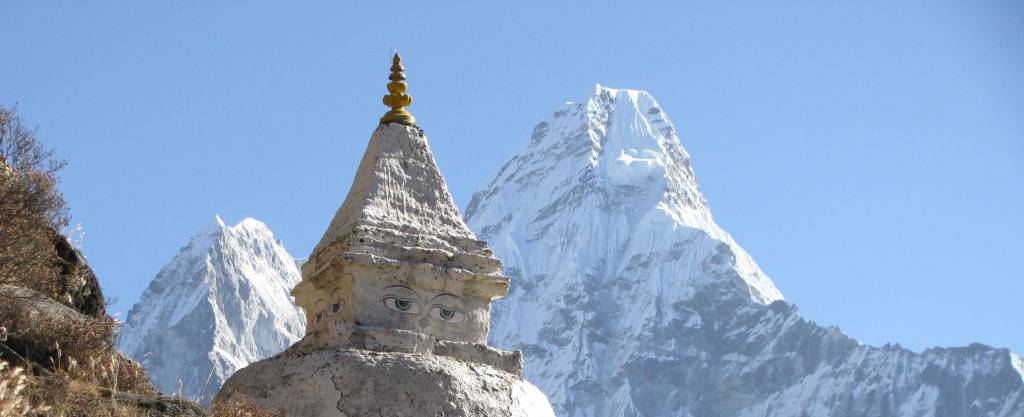
    Throughout the trek, you’ll encounter numerous Buddhist stupas, chortens, and mani walls, which provide an opportunity for spiritual reflection. The region’s strong Buddhist influence is evident in the sacred monuments and religious rituals that you’ll experience along the way.

    Less Crowded and Peaceful Trekking Experience

    Unlike the busy Everest Base Camp trails, the Sherpa Village Trek offers a quieter, more peaceful trekking experience. Fewer trekkers take this route, allowing you to enjoy the serenity of the mountains and the authenticity of the Sherpa villages without the crowds.

Sherpa Village Trek

Sherpa Village Trek

A Journey into the Heart of Sherpa Culture – With Mountain Legend
For those who seek an intimate and culturally rich Himalayan experience, the Sherpa Village Trek offers a perfect opportunity to explore the remote villages and rich traditions of the Sherpa people. Nestled in the foothills of the majestic Everest region, this trek allows you to immerse yourself in the timeless lifestyle of the Sherpa communities, all while soaking in stunning views of the surrounding peaks.
At Mountain Legend, we guide you on this tranquil journey, taking you to some of the most charming and peaceful Sherpa villages, where you can connect with the land, people, and culture in a way few travelers experience. It’s a trek that invites you to slow down, take in the beauty of the Himalayas, and delve deep into the Sherpa way of life.
Why Choose This Trek?
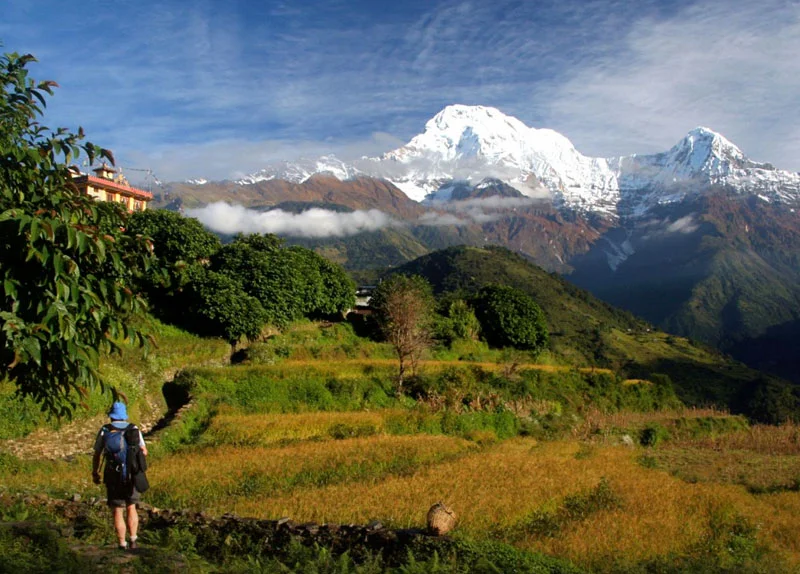
The Sherpa Village Trek is a perfect choice for those who want to experience the essence of Sherpa culture without the challenging climbs of higher-altitude treks. This journey takes you through lush valleys, terraced fields, and scenic forests, eventually leading you to picturesque villages like Khunde, Khumjung, and Namche Bazaar. Along the way, you’ll be treated to breathtaking views of iconic peaks such as Mount Everest, Lhotse, Ama Dablam, and Thamserku.
While the trek offers spectacular mountain views, its true charm lies in the chance to experience the Sherpa lifestyle—visiting monasteries, exploring traditional homes, and learning about the region’s deep Buddhist traditions. This trek is perfect for those who want to get away from the crowds and experience the quieter, more spiritual side of the Everest region.
Best Time to Go
Spring (March to May) – Ideal for clear skies, mild temperatures, and vibrant flora
Autumn (September to November) – Crisp weather and clear visibility, perfect for trekking

Both spring and autumn provide the best weather conditions for trekking in the Everest foothills, offering stable temperatures and ideal conditions for walking and sightseeing.
Elevation and Terrain
Starting Elevation: 2,860m (Lukla)
Highest Point: 3,780m (Khumjung Village)

The Sherpa Village Trek is a moderate trek that takes you through scenic and varied terrain. The trek’s gradual ascent allows for proper acclimatization as you pass through traditional villages, lush forests, and open meadows. The trail is well-marked and manageable for trekkers of average fitness, with only gentle climbs and occasional steeper sections.
The terrain includes a mix of winding trails, small rivers, and bridges, as well as forests of rhododendron and pine trees. The route is peaceful, providing plenty of time to soak in the surrounding beauty.
What You’ll See
Mountains: Everest, Lhotse, Ama Dablam, Thamserku, and others
Villages: Khunde, Khumjung, Namche Bazaar
Monasteries and Stupas: Buddhist sites, including Khumjung Monastery and Tengboche Monastery

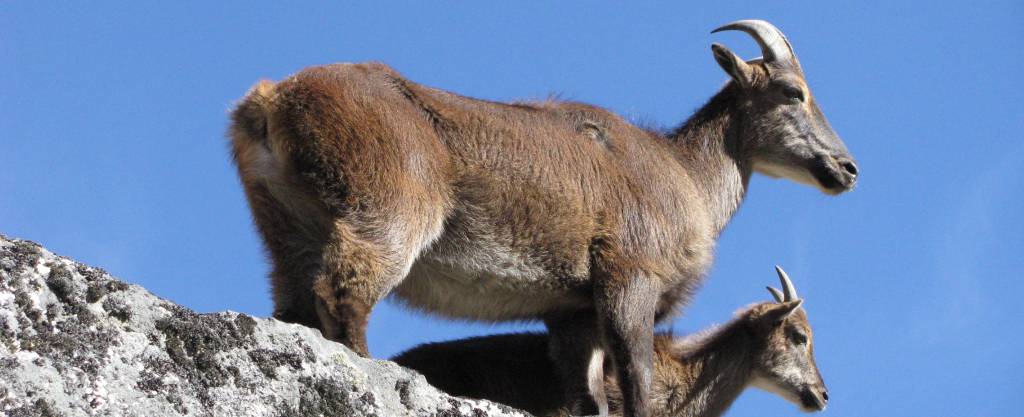
Flora and Fauna: Rhododendron forests, alpine meadows, and the possibility of spotting wildlife such as the Himalayan tahr, musk deer, and colorful pheasants
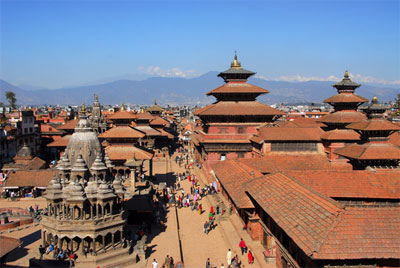
The trek offers spectacular views of the Everest massif and surrounding peaks, all framed by rolling hills and terraced fields. As you make your way through Sherpa villages, you’ll be enchanted by the traditional Tibetan architecture, prayer flags fluttering in the wind, and the serene atmosphere of the monasteries and stupas that dot the region.
Culture and Local Life
The Sherpa Village Trek is a unique opportunity to experience the heart of Sherpa culture. As you visit the villages of Khunde and Khumjung, you’ll be welcomed by friendly locals eager to share their way of life. The Sherpas are known for their hospitality, and you’ll have the chance to experience their traditions, customs, and spirituality firsthand.
Along the way, you’ll visit Buddhist monasteries and sacred sites, where you can observe the peaceful rituals of the Tibetan Buddhist faith. The atmosphere in these villages is quiet, spiritual, and deeply connected to the land. You’ll learn about the Sherpa’s strong ties to the mountains and how their lives are shaped by their environment and traditions.
Food and Accommodation
The accommodation on the Sherpa Village Trek consists of comfortable teahouses and lodges that offer a warm place to rest at the end of each day. The food is simple yet nourishing, with hearty meals designed to fuel your trek. Expect to enjoy dishes like:
Dal Bhat (rice and lentils with vegetables)
Momos (dumplings)
Tibetan bread, noodle soups, and freshly prepared vegetables
Hot drinks, including butter tea and herbal teas

The teahouses are basic but charming, providing an authentic and cozy experience. You’ll be treated to genuine Sherpa hospitality, and the food will provide a much-needed boost of energy after each day’s trek.
A Trek of Tranquility and Discovery
The Sherpa Village Trek offers a rare chance to experience the Himalayas at a more relaxed pace. This trek is not about reaching high altitudes or crossing challenging passes; it’s about immersing yourself in the serene beauty of the Everest region and connecting with the local culture. It’s perfect for those who seek peace, reflection, and a deeper understanding of Nepal’s incredible Sherpa communities.
At Mountain Legend, we ensure you’re fully supported throughout the trek, from expert guidance and acclimatization to cultural insights and safety measures.
Ready to Explore the Sherpa Heartland?
Embark on the Sherpa Village Trek with Mountain Legend and discover the hidden gems of the Everest region. Visit ancient monasteries, walk through peaceful villages, and take in some of the world’s most breathtaking mountain views.
Start your journey today—with Mountain Legend, where every step in the Himalayas is a step into culture and serenity.

Itinerary

  • Day 1 Kathmandu - Lukla (2,880m) - Phakding (2,743m)

    Early in the morning, board a Twin Otter aircraft for a thrilling flight to Lukla, one of the world’s most famous mountain airstrips. Originally conceived by Sir Edmund Hillary’s Himalayan Trust for medical evacuations, Lukla is now one of Nepal’s busiest airports. The flight offers breathtaking views of the rugged foothills and, on clear days, glimpses of Kanchenjunga, Lhotse, and Makalu. Upon arrival, we meet our Sherpas and, after a warm cup of tea, begin our descent from Lukla towards the village of Phakding, following the trail alongside the Dudh Kosi River.

    Overnight at Phakding. BLD.

  • Day 2 Trek to Namche Bazaar (3,440m)

    Today, we trek towards Namche Bazaar, the largest and most prosperous town in the Khumbu region. The bustling market, held every Saturday, offers an array of goods, from fresh produce to Tibetan artifacts. Surrounded by towering peaks like Thamserku, Kwangde Ri, and Khumbila, Namche lies in a natural bowl, offering stunning vistas.

    Overnight at Namche. BLD.

  • Day 3 Namche – Khumjung (3,791m)

    This morning is dedicated to rest and acclimatization. Visit the National Park Museum for insight into the region’s unique flora, fauna, and Sherpa culture. After lunch, embark on a leisurely 2-hour hike to the village of Khumjung, nestled beneath the towering peaks of the Himalayas.

    Overnight at Khumjung. BLD.

  • Day 4 Khumjung – Phortse (3,840m)

    Our trek leads through rhododendron forests where we may spot pheasants, before ascending towards a rocky wall on the north side of the valley. The trail features a dramatic climb up granite steps, offering spectacular views of Ama Dablam, Kantega, and Thamserku. As we descend towards the Dudh Kosi River, we veer off the main trail to head towards the peaceful village of Phortse.

    Overnight at Phortse. BLD.

  • Day 5 Phortse – Tengboche (3,867m) via Pangboche

    Today’s trek is a spectacular walk, starting with a climb high above the Imja Khola River. We pass through the village of Pangboche before continuing towards Tengboche, with amazing views of Ama Dablam, Thamserku, and Kangtega. After crossing the river, we ascend through forests of fir and rhododendron, finally reaching the grounds of Tengboche Monastery, one of the most revered spiritual sites in the region.

    Overnight at Tengboche. BLD.

  • Day 6 Tengboche – Monjo

    We descend to the Imja Khola and pass through the village of Phunki, known for its water-powered prayer wheels. After crossing a bridge, we begin the long, steady climb towards Namche, eventually reaching Monjo, a charming village at the entrance to Sagarmatha National Park.

    Overnight at Monjo. BLD.

  • Day 7 Monjo – Lukla (2,880m)

    As we make our way back towards Lukla, there’s a sense of nostalgia. The beautiful setting, the peaceful villages, and the welcoming people of the Khumbu region will stay with us long after we leave. The final climb into Lukla may be long, but it’s a fitting end to a remarkable trek.

    Overnight at Lukla. BLD.

  • Day 8 Lukla – Kathmandu

    Board your flight back to Kathmandu, enjoying one last aerial view of the majestic Himalayas. Please note that weather conditions in Lukla can sometimes cause flight delays, but our staff will work to minimize any inconvenience. Your patience will be appreciated.

    Overnight at Kathmandu. BLD.

Cost Include and Exclude

Include
    • Airport pick-up and drop-off as per the itinerary
    • Flights
    • One porter for every two clients
    • An experienced trekking guide and a porter
    • Meals and accommodation
    • Entry fees
    • Hotel accommodation
    • Ground transportation
    • Twin-sharing teahouse accommodations
    • Duffle bag
    • Farewell dinner
Exclude
    • Nepal visa
    • Alcoholic beverages, bottled mineral water, soft drinks, and snacks
    • Personal medical or evacuation expenses
    • Extra porter for personal day backpacks
    • Riding horses or additional activities
    • Extra costs due to natural disasters
    • Kathmandu/Pokhara sightseeing
    • Extra nights in Kathmandu
    • Clothing, packing items, personal medical kit, and personal trekking gear
    • Meals in Kathmandu and Pokhara
    • Tips or gifts for staff

Frequently Asked Questions

  • What is the Sherpa Village Trek?

    The Sherpa Village Trek is a cultural and scenic journey that takes trekkers through the heart of the Solu-Khumbu region, allowing an intimate look into the lives of the Sherpa people. This trek is not only about stunning mountain views but also offers a deep immersion into the traditional way of life, customs, and hospitality of the Sherpa communities. Along the route, trekkers will pass through picturesque villages, terraced fields, and dense forests, with glimpses of Mount Everest and other Himalayan peaks. This trek is ideal for those who wish to explore the cultural heritage of the Everest region without the physical challenges of more strenuous treks.

  • How difficult is the Sherpa Village Trek?

    The Sherpa Village Trek is considered a moderate trek. The trail is less demanding compared to high-altitude treks like Everest Base Camp, making it suitable for trekkers of all levels, including those with limited experience. The trek involves steady ascents and descents through beautiful villages and natural landscapes, with a maximum altitude of around 3,800 meters. While the trek does reach higher altitudes, the gradual pace allows for proper acclimatization, reducing the risk of altitude sickness. It’s a great option for those looking for a more relaxed yet rewarding Himalayan adventure.

  • When is the best time to trek to the Sherpa Villages?

    The best times to undertake the Sherpa Village Trek are during the spring (March to May) and autumn (September to November). These seasons offer clear skies, mild temperatures, and perfect trekking conditions, with the added bonus of stunning mountain views. Spring brings vibrant blooms of rhododendrons, while autumn offers a crisp, fresh atmosphere. The summer monsoon (June to August) brings heavy rain, making trails slippery, while winter (December to February) can be cold and snowy, making the trek less enjoyable.

  • What permits are required for the Sherpa Village Trek?

    For the Sherpa Village Trek, the following permits are necessary:

    • Sagarmatha National Park Entry Permit: Required for trekking in the national park area.
    • Khumbu Pasang Lhamu Rural Municipality Permit: Essential for trekking in the Solu-Khumbu region.
    • Trekkers’ Information Management System (TIMS) Card: Issued by the Nepal Tourism Board for safety and tracking purposes.

    These permits can be arranged through a registered trekking agency or can be obtained in Kathmandu and Lukla before the trek.

  • How long is the Sherpa Village Trek?

    The Sherpa Village Trek typically takes 10 to 12 days. The trek begins with a flight to Lukla, followed by a journey through various Sherpa villages such as Phakding, Namche Bazaar, Khumjung, and Thame. These villages offer stunning views of the Everest region and a chance to experience the Sherpa way of life. After visiting the villages, trekkers return to Lukla to catch the flight back to Kathmandu. The duration of the trek can vary depending on the specific itinerary chosen, with some treks offering more leisurely routes and extra acclimatization days.

  • What kind of accommodation is available during the trek?

    Accommodation during the Sherpa Village Trek is in teahouses, which are simple lodges offering basic facilities. These teahouses provide twin-sharing rooms and communal dining areas where you can enjoy traditional Nepali dishes like dal bhat, momos, and Tibetan bread, along with some Western food options. While the amenities are basic, the welcoming hospitality of the Sherpa people ensures a comfortable experience. In higher-altitude areas, the teahouses become more basic, with limited services, but they are always cozy and warm.

  • What should I pack for the Sherpa Village Trek?

    Packing for the Sherpa Village Trek requires essential trekking gear for comfort and safety. Important items include sturdy trekking boots, a sleeping bag rated for cold temperatures, layered clothing for warmth (including a down jacket), trekking poles, a headlamp, sunscreen, sunglasses, and a first-aid kit. You should also bring a water purification system (like tablets or a filter) and a camera to capture the amazing views and cultural experiences along the way. Since the trek doesn’t reach extreme altitudes, lighter gear is appropriate, but make sure to pack enough to stay warm in cooler areas.

  • Do I need a guide and porter for the Sherpa Village Trek?

    While it is not mandatory to hire a guide or porter for the Sherpa Village Trek, it is highly recommended. A guide will enhance your experience by providing local insights, helping with navigation, and offering knowledge about the culture and environment of the region. Hiring a porter is also helpful if you wish to lighten your load, allowing you to trek at a more relaxed pace. Both a guide and porter add value to the trek by enhancing your comfort, safety, and enjoyment of the journey.

  • What are the risks of altitude sickness, and how can I prevent it on this trek?

    The risk of altitude sickness on the Sherpa Village Trek is minimal as the maximum altitude is typically around 3,800 meters (depending on the route). However, trekkers may still feel the effects of high altitude, such as mild headaches or fatigue. To prevent altitude sickness, it’s essential to pace yourself and take regular breaks. Staying hydrated, eating well, and allowing for gradual acclimatization will help ensure your body adjusts to the altitude comfortably. The trek is designed to be gentle in terms of altitude, so it’s a great option for those who want to avoid the more severe risks associated with higher-altitude treks.

  • What are the highlights of the Sherpa Village Trek?

    The Sherpa Village Trek offers a beautiful combination of natural beauty, cultural immersion, and stunning mountain views. Highlights include the vibrant Sherpa villages of Namche Bazaar, Khumjung, and Thame, where you can interact with locals, visit ancient monasteries, and experience Sherpa hospitality. The trek also provides remarkable views of Everest, Lhotse, Makalu, and other peaks from vantage points like Syangboche and the surrounding hills. The serene landscapes, including lush forests, terraced fields, and rivers, complement the spiritual experience of trekking in the Everest region. Whether you are looking for cultural insight, peaceful surroundings, or breathtaking views, the Sherpa Village Trek offers a unique and enriching Himalayan adventure.

Testimonials

Add On Package

Similar Tours You May Like

We are affiliated with