For Call Support:
977-1-4529994

Max Trekking Altitude

3,700 m (12,139 ft)

Group Size

2 to 12 people

Best time to go

March to May (Spring) September to November (Autumn)

Highlights

    A Journey into the Sacred Hidden Valley

    The Tsum Valley Trek takes you into one of Nepal’s most secluded Himalayan valleys — the mystical Tsum Valley, also known as the “Hidden Valley of Happiness,” rich in Tibetan Buddhist heritage and untouched natural beauty.

    Authentic Tibetan Culture and Traditions

    Explore ancient Tibetan-influenced villages like Chumling, Chhokang Paro, and Nile, where locals still follow centuries-old customs, wear traditional dress, and speak a unique dialect rooted in Tibetan language.

    Sacred Buddhist Monasteries and Sites

    Visit sacred monasteries such as Mu Gompa, Rachen Gompa, and Gumba Lungdang, along with Milarepa’s Cave, where the great Tibetan saint is believed to have meditated. Prayer flags, chortens, and mani walls line the trail.

    Cultural and Spiritual Pilgrimage

    This trek is more than a mountain walk — it’s a spiritual journey. Tsum Valley has long been considered a Beyul, or sacred valley, blessed by Guru Rinpoche, making it a revered destination for Buddhist pilgrims.

    Dramatic Mountain Vistas

    Enjoy stunning views of Ganesh Himal, Shringi Himal, Boudha Himal, and Himalchuli as you trek through high ridges and open alpine valleys surrounded by snow-covered peaks.

    Peaceful and Less-Traveled Trail

    Tsum Valley remains one of Nepal’s most off-the-beaten-path treks. With restricted area permits and fewer visitors, it offers quiet trails, remote village life, and a strong sense of discovery.

    Wild and Diverse Natural Beauty

    Trek through forests of pine, juniper, and rhododendron, cross suspension bridges, and follow glacial rivers. The valley is part of the Manaslu Conservation Area, home to rare wildlife like Himalayan thar and blue sheep.

    Warm Local Hospitality

    Stay in family-run teahouses or homestays and experience the genuine warmth and kindness of the Tsumba people, whose Buddhist values emphasize compassion, simplicity, and spiritual living.

    Perfect for Cultural and Spiritual Trekkers

    Unlike technical climbs or high-altitude crossings, Tsum Valley offers moderate trekking focused on cultural immersion, spiritual exploration, and breathtaking scenery — ideal for thoughtful travelers.

    Optional Extensions to Manaslu or Ganesh Himal

    For those with more time and a thirst for adventure, the Tsum Valley Trek can be extended into the Manaslu Circuit or connected with remote Ganesh Himal trails for a truly epic Himalayan journey.


Tsum Valley Trek

Tsum Valley Trek: A Journey to the Hidden Valley of Nepal with Mountain Legend

Between the towering peaks of the Manaslu and Ganesh Himal ranges, the Tsum Valley Trek is a charming adventure that takes you to one of Nepal’s most remote and spiritually rich regions. At Mountain Legend, we invite you to explore this serene, untouched corner of the Himalayas—an area where centuries-old traditions and pristine landscapes remain largely unspoiled by modernity. The Tsum Valley, often referred to as “The Hidden Valley,” is a sacred place, offering a trek that promises peace, cultural immersion, and breathtaking views at every turn.

Discovering the Tsum Valley: A Sacred, Secluded Realm

The Tsum Valley is a sanctuary of natural beauty and Tibetan Buddhist culture. Tucked away from the busy tourist routes, the valley remains a hidden gem, offering a glimpse into a life that has remained largely unchanged for centuries. The trek offers the opportunity to connect deeply with nature, spirituality, and local customs that have been passed down through generations.
In Tibetan, Tsum means “vivid,” and true to its name, the valley bursts with vibrant landscapes and rich colors, from the lush greenery in the lower regions to the stark, high-altitude desert terrain. The valley is sacred to the people who live here—believed to be the home of the long-lost kingdom of Tsum—and is dotted with ancient monasteries, sacred caves, and shrines. For centuries, it has been a significant place of pilgrimage for Tibetan Buddhists, drawing travelers seeking spiritual peace and a deep connection to the land.

The Trek: A Journey Through Spiritual Villages and Majestic Peaks

Your adventure begins with a drive from Kathmandu to Arughat, followed by a trek to Soti Khola, where the journey through the Budi Gandaki River valley begins. From there, the trail gradually ascends through Machha Khola, Jagat, and Chhekampar—villages where you’ll experience the traditional life of the Tsumba people.
The people of the Tsum Valley are descendants of Tibetan immigrants, and their unique culture is a remarkable blend of Tibetan Buddhism and local traditions. As you trek deeper into the valley, the landscape transforms. The Tsumba communities live in stone houses adorned with prayer flags, and their villages are often built around monasteries that serve as spiritual centers.
The Tsum Valley Trek is a moderate trek, offering stunning views of peaks such as Ganesh Himal, Sringi Himal, and Manaslu, along with lush forests of rhododendron, pine, and oak. The valley is not just a place of great beauty—it’s also a region rich in history, with the mu gompa (monastery) and Rachen Gompa serving as spiritual havens along the trail.

Spiritual Sites and Cultural Encounters

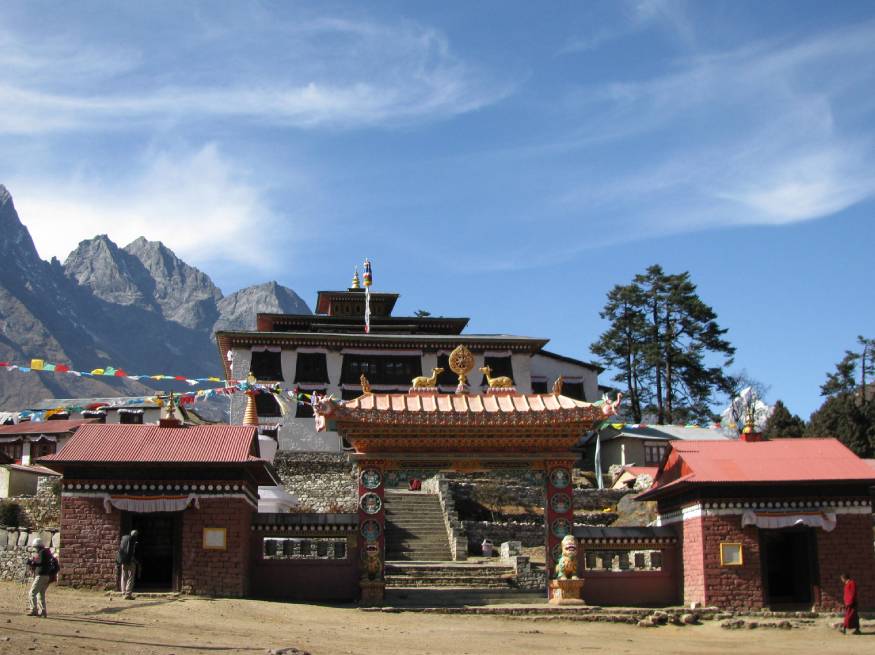
The spiritual richness of the Tsum Valley is perhaps its most distinguishing feature. The valley is home to Buddhist monasteries, chortens (stupas), and sacred caves. Among these, the Mu Gompa is a key highlight—a revered Buddhist monastery located at an altitude of 3,300 meters. The monastery is famous for its tranquil surroundings, and it provides a perfect place for meditation and spiritual reflection.
Trekking through the Tsum Valley, you’ll encounter several other sacred sites, including the Rachen Gompa and Dephyudonma Gompa. These monasteries are integral to the local Tibetan Buddhist community, and the prayer wheels, chortens, and mani stones (stones carved with Buddhist prayers) are all reminders of the deep spirituality that permeates this region.
The valley is also known for its connection to the legendary Padmasambhava, the founder of Tibetan Buddhism, who is believed to have meditated in caves in the valley. These sacred caves, such as the Milarepa’s Cave, add a sense of mysticism to the journey and are sites of pilgrimage for Buddhist devotees.

The Majestic Peaks of Tsum Valley

The trek is not only a spiritual journey but a visual feast. The towering peaks of Ganesh Himal, Manaslu, and Sringi Himal surround the valley, providing breathtaking panoramic views. The landscapes shift as you ascend, from lush forests and terraced fields to high-altitude deserts and glacial streams. The valley, with its towering peaks and ancient villages, offers a serene backdrop that allows trekkers to connect with the profound silence of the Himalayas.

Best Time to Trek the Tsum Valley

The ideal time to embark on the Tsum Valley Trek is during the spring (March to May) or autumn (September to November) seasons. These months offer the clearest skies, pleasant temperatures, and the best trekking conditions. Spring brings vibrant rhododendron blooms, while autumn provides crisp, cool air and spectacular views of the surrounding mountains.
The summer monsoon season (June to August) brings heavy rains, which can make trekking conditions challenging, especially in the more remote areas. The winter months (December to February) can be cold, especially at higher altitudes, with the possibility of snowfall at Mu Gompa and other parts of the trek.

Permits and Regulation

Trekking in the Tsum Valley requires specific permits, including:

• Tsum Valley Special Permit: This special permit is required for trekking in the Tsum Valley, as it is a restricted area.

• Manaslu Conservation Area Permit: Since the Tsum Valley lies within the Manaslu Conservation Area, you’ll need this permit for entry.

• TIMS (Trekkers’ Information Management System) Card: This is a standard requirement for all trekkers in Nepal. At Mountain Legend, we take care of all the paperwork, ensuring a smooth and seamless experience from start to finish.

Accommodation and Comfort

Accommodation along the Tsum Valley Trek is available in teahouses, which offer a basic but welcoming atmosphere. The teahouses are run by local families who provide trekkers with warm meals, cozy rooms, and the chance to experience the hospitality of the Tsumba people. The food served is typically Nepali and Tibetan in style, with meals like dal bhat (lentil soup and rice), momo (dumplings), and thukpa (noodle soup) that provide nourishment for the trek.
As you move into the higher regions of the valley, the teahouses become more basic, but the warmth and camaraderie of the local people make up for any lack of luxury. The simplicity of the accommodation allows you to truly immerse yourself in the serene and remote environment of the Tsum Valley.

Why Choose Mountain Legend for Your Tsum Valley Trek?

At Mountain Legend, we are dedicated to creating unforgettable trekking experiences that are both adventurous and immersive. Our experienced guides are intimately familiar with the Tsum Valley, ensuring that you have the best possible trekking experience. We pride ourselves on responsible tourism practices that benefit both the environment and the local communities.
The Tsum Valley Trek with Mountain Legend is a journey that combines adventure, spirituality, and cultural discovery. Let us guide you through this sacred and remote part of Nepal, where towering peaks, ancient monasteries, and centuries-old traditions await. This is more than just a trek; it’s a journey of the soul—one that will leave you with memories to cherish for a lifetime.

Itinerary

  • Day 1 Arrival in Kathmandu

    Arrive in Kathmandu, Nepal’s vibrant capital city. Upon arrival, you’ll be transferred to your hotel. The rest of the day is free for you to rest or explore the city’s bustling streets and historic sites.
    Overnight: Hotel in Kathmandu
    Meals: None


  • Day 2 Drive from Kathmandu to Arughat Bazar

    After breakfast, drive from Kathmandu to Arughat Bazar (approximately 6-7 hours). The scenic drive passes through picturesque valleys, terraced fields, and small villages along the way. On arrival, you’ll transfer to a local tea house for your overnight stay.
    Overnight: Tea House in Arughat Bazar
    Meals: Breakfast, Lunch, and Dinner

  • Day 3 Trek to Soti Khola

    The trek begins as you depart from Arughat and head towards Soti Khola (700m). The journey takes about 5-6 hours and passes through terraced fields and forests. You’ll cross several suspension bridges and experience the natural beauty of the area.
    Overnight: Tea House in Soti Khola
    Meals: Breakfast, Lunch, and Dinner

  • Day 4 Trek to Machhakhola

    On Day 4, you’ll trek to Machhakhola (930m), a journey that takes about 6-7 hours. The trail continues through dense forests, alongside rivers, and across suspension bridges, offering fantastic views of the surrounding hills.
    Overnight: Tea House in Machhakhola
    Meals: Breakfast, Lunch, and Dinner

  • Day 5 Trek to Jagat

    Today’s trek will take you to Jagat (1340m), a small village where you can relax and enjoy the peaceful surroundings. The trek takes about 6-7 hours, with scenic views of the countryside, including forests, waterfalls, and rivers.
    Overnight: Tea House in Jagat
    Meals: Breakfast, Lunch, and Dinner

  • Day 6 Trek to Lokpa

    On Day 6, the trek leads you to Lokpa (2040m). The route takes around 6-7 hours, and you’ll cross several streams and climb through lush forests. Lokpa is a small, Tibetan-influenced village, and it’s a great place to take in the local culture.
    Overnight: Tea House in Lokpa
    Meals: Breakfast, Lunch, and Dinner

  • Day 7 Trek to Tsumling

    Today, you’ll head to Tsumling (2390m), a Tibetan-style village. The trek will take approximately 4-5 hours, offering views of snow-capped peaks and the natural beauty of the Tsum Valley. This area is known for its tranquility and traditional Tibetan culture.
    Overnight: Tea House in Tsumling
    Meals: Breakfast, Lunch, and Dinner

  • Day 8 Trek to Ramchen Gumba

    On Day 8, you’ll trek to Ramchen Gumba (3269m), a small monastery located in a peaceful setting. The trek takes about 6-7 hours, and you’ll walk through forests and pastures, with amazing views of the Ganesh Himal range.
    Overnight: Tea House in Ramchen Gumba
    Meals: Breakfast, Lunch, and Dinner

  • Day 9 Trek to Mu Gumba

    Today’s trek will bring you to Mu Gumba (3700m), a Buddhist monastery in a remote area. The trek will take around 6-7 hours and offers breathtaking views of the Ganesh Himal, Manaslu, and the surrounding valleys. Mu Gumba is an important spiritual site for the locals.
    Overnight: Tea House in Mu Gumba
    Meals: Breakfast, Lunch, and Dinner

  • Day 10 Day Hike to Tibet Border

    On Day 10, you will take a day hike to the Tibet Border. The hike will take around 5-6 hours, and you’ll experience the landscape that lies along the border. Afterward, return to Mu Gumba for a restful evening.
    Overnight: Tea House in Mu Gumba
    Meals: Breakfast, Lunch, and Dinner

  • Day 11 Trek to Chokung Paro

    On Day 11, you’ll continue your journey by trekking to Chokung Paro (3030m), a small village offering stunning views of the surrounding peaks. The trek will take around 5-6 hours.
    Overnight: Tea House in Chokung Paro
    Meals: Breakfast, Lunch, and Dinner

  • Day 12 Trek to Gumba Lungden

    On Day 12, you’ll trek to Gumba Lungden (3200m), a peaceful village known for its serene monastery. The trek will take approximately 6-7 hours, and you’ll be treated to views of high Himalayan peaks.
    Overnight: Tea House in Gumba Lungden
    Meals: Breakfast, Lunch, and Dinner

  • Day 13 Trek to Lokpa

    On Day 13, the trek will descend back to Lokpa (2040m). This will be a 6-7 hour trek, retracing the path through forests, small villages, and rivers.
    Overnight: Tea House in Lokpa
    Meals: Breakfast, Lunch, and Dinner

  • Day 14 Trek to Deng

    Today, you’ll continue your trek to Deng (1860m), a small village along the Budhi Gandaki River. The trek takes around 5-6 hours, passing through beautiful countryside and offering great views of the mountains.
    Overnight: Tea House in Deng
    Meals: Breakfast, Lunch, and Dinner

  • Day 15 Trek to Namrung

    On Day 15, you’ll trek to Namrung (2660m). The journey takes approximately 6-7 hours, and you’ll pass through forests, stone villages, and the spectacular landscapes of the Manaslu region.
    Overnight: Tea House in Namrung
    Meals: Breakfast, Lunch, and Dinner

  • Day 16 Trek to Samagaon

    On Day 16, you’ll trek to Samagaon (3530m), a village located near the Manaslu Conservation Area. The trek will take around 6-7 hours, and you’ll be treated to stunning views of snow-capped peaks, including Manaslu.
    Overnight: Tea House in Samagaon
    Meals: Breakfast, Lunch, and Dinner

  • Day 17 Trek to Samdo

    On Day 17, you’ll trek to Samdo (3800m), a remote village situated near the Tibetan border. The trek takes 3-4 hours, and along the way, you’ll enjoy fantastic views of the surrounding mountains and valleys.
    Overnight: Tea House in Samdo
    Meals: Breakfast, Lunch, and Dinner

  • Day 18 Rest Day - Optional Exploration to Tibet Border

    You’ll spend a rest day in Samdo to acclimatize. You can take an optional exploration trip to the Tibet Border, a fascinating location offering unique views of the Tibetan plateau.
    Overnight: Tea House in Samdo
    Meals: Breakfast, Lunch, and Dinner

  • Day 19 Trek to Dharmashala

    Today, you’ll trek to Dharmashala (4460m), a small settlement located before crossing Larke Pass. The trek will take about 3-4 hours, and you’ll be able to enjoy the peaceful surroundings.
    Overnight: Tea House in Dharmashala
    Meals: Breakfast, Lunch, and Dinner

  • Day 20 Trek to Bhimthang via Larke Pass

    On the final trekking day, you’ll cross Larke Pass (5106m) and descend to Bhimthang (3720m). This day will be a challenging one, lasting around 8-9 hours. The views of the high Himalayas are spectacular, and you’ll have an unforgettable experience crossing this high-altitude pass.
    Overnight: Tea House in Bhimthang
    Meals: Breakfast, Lunch, and Dinner

  • Day 21 Trek to Gowp

    On Day 21, you’ll trek to Gowp (2560m), a small village in the lower valley. The trek will take around 6 hours and offers a variety of landscapes, including forests and rivers.
    Overnight: Tea House in Gowp
    Meals: Breakfast, Lunch, and Dinner

  • Day 22 Trek to Tal

    Today, you’ll trek to Tal (1700m), a lush and scenic village. The trek will take about 6-7 hours, and you’ll enjoy the descending landscapes of terraced fields and rivers.
    Overnight: Tea House in Tal
    Meals: Breakfast, Lunch, and Dinner

  • Day 23 Drive to Beshisahar and Then to Kathmandu

    On the final day, you’ll drive back to Beshisahar and then continue on to Kathmandu


  • Day 24 Includes

    • Airport pick-up and drop-off as per the itinerary
    • Flights
    • One porter for every two clients
    • An experienced trekking guide and a porter
    • Meals and accommodation
    • Entry fees
    • Hotel accommodation
    • Ground transportation
    • Twin-sharing teahouse accommodations
    • Duffle bag
    • Farewell dinner

  • Day 25 Excludes

    • Nepal visa
    • Alcoholic beverages, bottled mineral water, soft drinks, and snacks
    • Personal medical or evacuation expenses
    • Extra porter for personal day backpacks
    • Riding horses or additional activities
    • Extra costs due to natural disasters
    • Kathmandu/Pokhara sightseeing
    • Extra nights in Kathmandu
    • Clothing, packing items, personal medical kit, and personal trekking gear
    • Meals in Kathmandu and Pokhara
    • Tips or gifts for staff


Frequently Asked Questions

  • What is the Tsum Valley Trek?

    The Tsum Valley Trek is a remote and culturally rich trek in Nepal, taking you to the hidden Tsum Valley, known for its unique Tibetan Buddhist culture, stunning mountain views, and serene landscapes. It is often referred to as the “Valley of Happiness” due to its peaceful and isolated nature.

  • Where is Tsum Valley located?

    Tsum Valley is situated in the Manaslu region of Nepal, close to the Tibetan border. It lies in the Gorkha district and is surrounded by towering peaks, including Manaslu, Ganesh Himal, and Sringi Himal.

  • How long does the Tsum Valley Trek take?

    The trek typically takes 12 to 14 days, depending on your pace and itinerary. The trek involves a steady ascent to the valley, time for acclimatization, and visits to villages, monasteries, and other cultural sites.

  • What is the best time to trek in Tsum Valley?

    The ideal times for the Tsum Valley Trek are spring (March to May) and autumn (September to November), when the weather is stable, the skies are clear, and the trekking conditions are optimal for high-altitude adventures.

  • What permits are required for the Tsum Valley Trek?

    As Tsum Valley is a restricted area, trekkers need the following permits:
    • Tsum Valley Special Permit
    • TIMS Card (Trekkers’ Information Management System)
    • Manaslu Restricted Area Permit (for the approach through the Manaslu region)
    • Manaslu Conservation Area Permit
    Permits must be arranged through a licensed trekking agency.

  • How difficult is the Tsum Valley Trek?

    The Tsum Valley Trek is considered moderate in terms of difficulty. It involves some steep ascents, high-altitude sections, and remote trails. The highest point is Mu Gumba (3,700m), and trekkers should be prepared for long days of hiking.

  • What is the highest point on the Tsum Valley Trek?

    The highest point on the trek is generally Mu Gumba (3,700m), a beautiful Buddhist monastery located at the end of the valley, offering great views of the surrounding peaks.

  • Is prior trekking experience required?

    While prior trekking experience is not mandatory, a reasonable level of fitness and the ability to hike for several hours a day over rugged terrain is important. The trek does not require technical skills but involves walking at higher altitudes.

  • What are the highlights of the Tsum Valley Trek?

    Key highlights include:
    • Immersing in the Tibetan Buddhist culture of the Tsum Valley.
    • Mu Gumba monastery, and other sacred sites like Rachen Gumba and Nunnery Gumba.
    • Stunning views of Manaslu, Ganesh Himal, and Sringi Himal.
    • Exploring remote Tibetan villages and interacting with the locals.
    • Beautiful rhododendron forests, waterfalls, and peaceful valleys.

  • Is the Tsum Valley Trek crowded?

    No, the Tsum Valley Trek is a less-visited route, making it ideal for trekkers seeking a more peaceful and secluded experience away from the crowds of more popular routes like the Annapurna or Everest regions.

  • What type of accommodation is available?

    Accommodation on the Tsum Valley Trek is mainly in local teahouses and guesthouses. In the more remote parts of the trek, accommodation can be simple but offers a warm and hospitable atmosphere. Expect shared rooms with basic facilities.

  • Can I do the Tsum Valley Trek solo?

    Solo trekking is not allowed in the Manaslu region, and since Tsum Valley is a restricted area, trekkers must be accompanied by a licensed guide and porter for safety and regulatory purposes.

  • What should I pack for the Tsum Valley Trek?

    Essential items to pack include:
    • Warm clothing (down jacket, layers for cold weather)
    • Trekking boots and gaiters
    • Waterproof jacket and pants
    • Sleeping bag (4-season)
    • Water purification tablets or filter
    • Sun protection (sunscreen, sunglasses, hat)
    • Headlamp, first-aid kit, and power bank

  • Is there mobile signal or Wi-Fi on the trek?

    Mobile signal is available in some areas, but it is sporadic in the higher regions of the trek. Wi-Fi is available in some teahouses, but it may come at an additional cost and be slower than in more developed regions.

  • Why should I choose the Tsum Valley Trek over other popular treks?

    Choose the Tsum Valley Trek if you want to experience:
    • A peaceful, off-the-beaten-path trek far from the crowds.
    • Authentic Tibetan Buddhist culture with visits to ancient monasteries.
    • Stunning views of the Himalayas in a remote and untouched region.
    • A more spiritual and cultural trekking experience with interactions with locals.


Testimonials

Similar Tours You May Like

We are affiliated with