


In the heart of the Nepalese Himalayas, the Annapurna Circuit Trek is a sublime adventure that weaves through verdant valleys, towering peaks, and culturally rich villages. This iconic trek, known for its breathtaking landscapes and diverse experiences, offers a rare glimpse into one of the most magnificent trekking routes on Earth. For trekkers, it promises a blend of challenge, serenity, and discovery that few places can match.
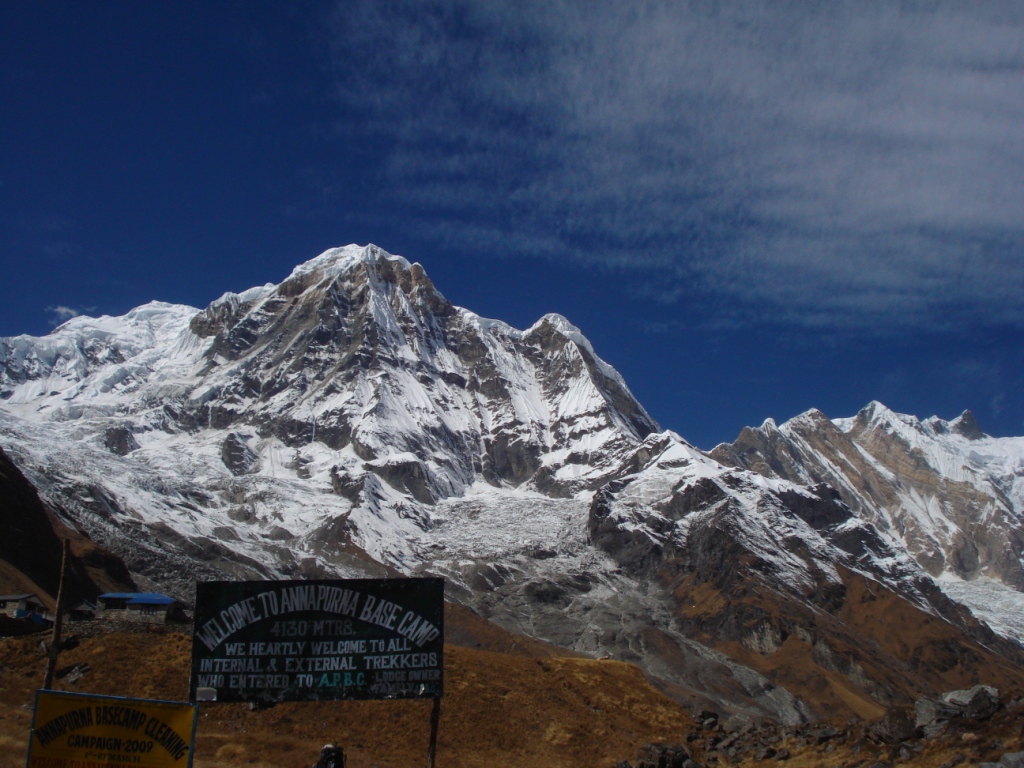
This circuit trek is a 160-230 km trail that winds through the Marshyangdi River Valley, traversing the Annapurna and Manaslu Himal ranges. Dominated by the majestic Thorong-La Pass at 5,416 meters, this trek is both a test of endurance and a feast for the senses. Along the trail, trekkers will encounter unparalleled views of some of the world’s highest peaks, including Machhapuchhare (Fishtail, 6,993 m), Annapurna II (7,935 m), Annapurna III (7,553 m), Annapurna IV (7,523 m), and the grand Manaslu (8,154 m).
The Annapurna Circuit Trek is not just a test of endurance but a pilgrimage of the senses. It is a trail that humbles and inspires, bringing together the raw power of nature, the quiet strength of
ancient cultures, and the joy of simple, shared moments with fellow trekkers.
Whether it’s the sight of first light kissing the peaks at Poon Hill, the feeling of crossing the wind-swept Thorong La, or the serenity found in the quiet alleys of Manang, the Annapurna Circuit is a journey that lingers long after the final step is taken.
The Experience
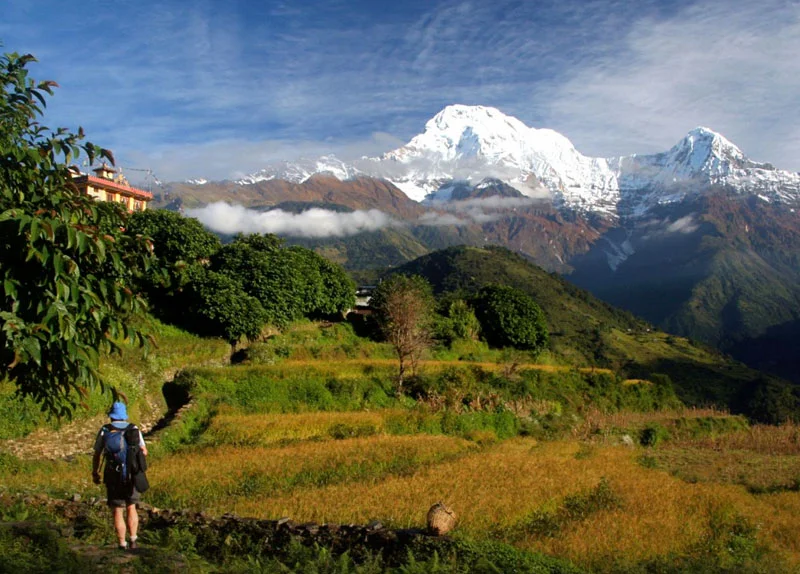
Setting foot on the Annapurna Circuit is akin to walking through a live tapestry of diverse landscapes. Starting in lush subtropical forests, the trail ascends through terraced fields, pine groves, and rhododendron-covered hillsides, eventually giving way to the arid expanses of the high-altitude desert. Along the way, trekkers are treated to panoramic vistas of some of the highest peaks on Earth, including Annapurna I, II, III, and IV, the striking Machhapuchhre (Fishtail), and the mighty Dhaulagiri range.
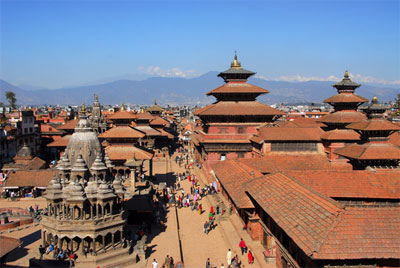
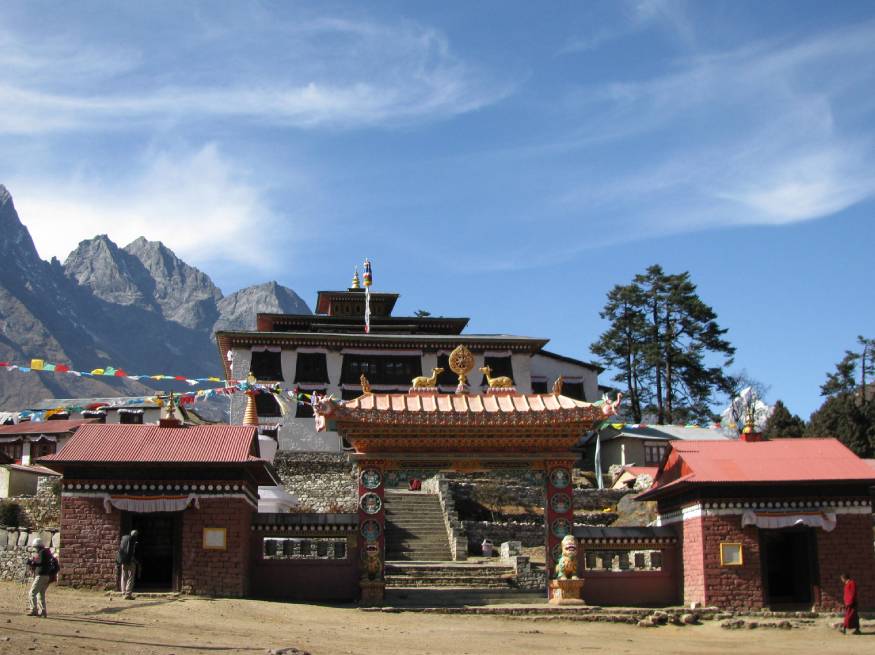
The trek is not just a visual feast but also a profound cultural journey. As you traverse the Marshyangdi Valley, you’ll encounter traditional villages adorned with whitewashed homes and colorful prayer flags. The region is predominantly inhabited by high-caste Brahmins and Chhetris, with pockets of Gurung and Magar communities, known for their rich traditions and vibrant festivals. Moving towards Manang, the cultural fabric shifts, reflecting Tibetan influences in the dialects, attire, and architecture, resonating with the chants of Buddhist monks and the hum of spinning prayer wheels.
Best Time to Visit
The ideal time to embark on the Annapurna Circuit Trek is during the pre-monsoon (March to May) and post-monsoon (September to November) seasons. These periods offer the most stable weather, clear skies, and spectacular mountain views. Spring paints the landscape in hues of rhododendrons, while autumn provides crisp air and the clearest panoramas.
Altitude and Terrain
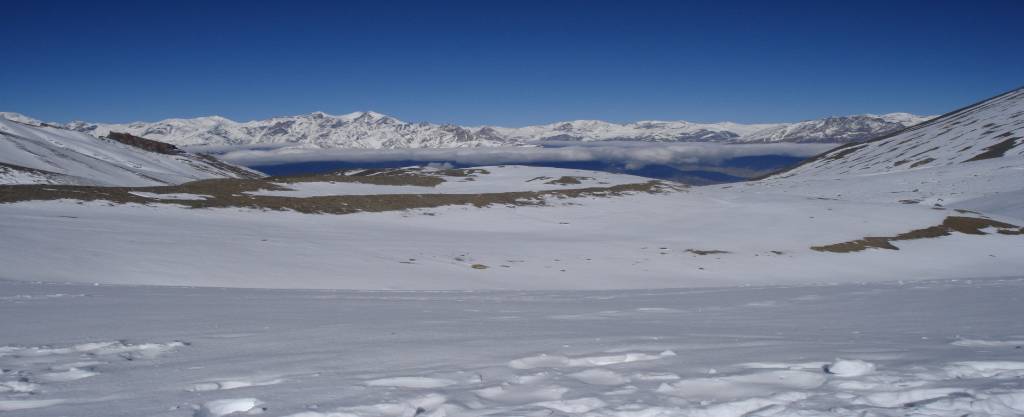
The trek spans an altitude range from approximately 800 meters at Besisahar to the lofty Thorong La Pass at 5,416 meters. The terrain is varied and challenging, with steep ascents, rocky paths, and occasional snow-covered trails near the pass. Acclimatization is crucial, particularly in places like Manang, to avoid altitude sickness. Many trekkers take a day to rest and explore, adjusting to the thinner air and soaking in the serene beauty of glacial lakes and ancient caves.
Mountains, Rivers, and Flora & Fauna
Throughout the trek, the Marsyangdi River is a faithful companion, carving its way through verdant valleys and deep gorges. As you cross Thorong La Pass and descend into the Kali Gandaki Valley, you’ll witness the world’s deepest gorge flanked by Annapurna and Dhaulagiri. The flora ranges from dense subtropical forests of oak, pine, and rhododendron to alpine meadows and juniper scrub at higher elevations. The region is a haven for wildlife, with chances to spot blue sheep, langur monkeys, and the elusive snow leopard high above the valley.
People, Culture, and Lifestyle
The people of the Annapurna Circuit are as varied as the landscapes. In the lower regions, you’ll meet Hindu communities who practice a lifestyle deeply intertwined with agriculture, growing rice, millet, and barley. As you ascend, the cultural scene shifts dramatically towards Tibetan Buddhism, with Manang being home to monasteries, chortens, and Mani walls adorned with intricate carvings. The warmth of the local people, their resilience, and their deep spiritual connections make the trek a soulful experience.
Food and Accommodation
Accommodation along the trail ranges from basic tea houses to more comfortable lodges, offering simple yet hearty meals to refuel after a long day’s trek. Dal Bhat, a traditional Nepali dish of lentils, rice, and vegetables, is a staple, providing the energy needed for the demanding terrain. Some lodges also offer variations of Tibetan bread, momos (dumplings), and even yak cheese, which is a local delicacy. The higher you go, the more limited the options become, but the welcoming hospitality remains a constant.
Health Concerns
All of our Senior Guides (Trek Leaders) who accompany group clients carry a fully-equipped medical kit to handle any medical emergencies, whether it’s a minor headache or symptoms of high-altitude sickness. They participate in an annual Mountain Trekking Guides’ Refresher Training Course, where they receive comprehensive medical training from experienced instructors to ensure they are well-prepared for any situation.
Travel with a trusted travel agent
Founded in 2009, Mountain Legend Pvt. Ltd. stands as a distinguished travel agency nestled in the heart of Nepal, a gateway to the majestic Himalayas. With a deep reverence for the land and its people, we craft authentic trekking journeys that go beyond mere adventure, embracing the principles of responsible tourism.
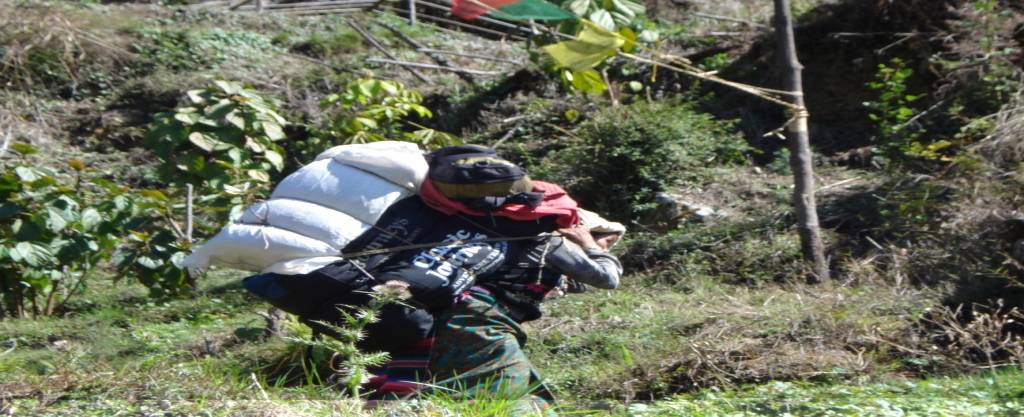
Guided by a steadfast commitment to international standards, including the compassionate guidelines of the International Porter Protection Group, we honor the welfare of our porters and
the pristine environments they traverse. Mountain Legend is not just about reaching summits; it’s about treading lightly, respecting the rhythms of nature, and weaving the rich tapestry of local
culture into every step of the journey.
Our dedication to sustainable practices and meaningful community engagement sets us apart as a beacon in Nepalese tourism. For those seeking more than a trek—seeking a soulful, transformative odyssey through Nepal’s breathtaking landscapes—Mountain Legend offers an experience where every path leads not just to new vistas, but to a deeper connection with the world.