For Call Support:
977-1-4529994

Trek Grade

Moderate

Max Trekking Altitude

3,850 m (12,631 ft) 

Group Size

2 to 12 people

Best time to go

March to May (Spring) September to November (Autumn)

Highlights

    Scenic Drive from Kathmandu to Syabrubesi
    Begin your adventure with a scenic road journey through lush hills, terraced farms, and traditional villages as you travel from Kathmandu to Syabrubesi — the gateway to Langtang.
    Explore the Untouched Langtang Valley
    Walk through a remote and pristine Himalayan valley nestled close to the Tibetan border, often called the “Valley of Glaciers.” Langtang offers raw natural beauty with fewer crowds than other popular treks in Nepal.
    Trek Through Langtang National Park
    Experience diverse flora and fauna in Langtang National Park — home to red pandas, Himalayan black bears, langurs, and over 250 species of birds. The trail winds through rhododendron forests, pine groves, and bamboo jungles.
    Tamang & Tibetan Culture
    Immerse yourself in the unique Tamang and Tibetan-influenced culture. Visit ancient monasteries, chortens, prayer wheels, and traditional stone-built villages like Langtang Village and Kyanjin Gompa.
    Visit Kyanjin Gompa & Cheese Factory
    Reach the spiritual heart of the region at Kyanjin Gompa (3,870m), a beautiful monastery surrounded by snow-capped peaks. Nearby, explore a local yak cheese factory — a unique Himalayan experience!
    Panoramic Mountain Views
    Witness jaw-dropping views of Langtang Lirung (7,227m), Dorje Lakpa, Gangchempo, and Yala Peak. For even more dramatic panoramas, hike up to Tserko Ri (4,984m) — a popular viewpoint for sunrise over the Himalayas.
    Opportunity for Yala Peak Climbing
    For adventurous trekkers, the Langtang region also offers an option to extend the trip with a climb to Yala Peak (5,500m) — a non-technical trekking peak with extraordinary Himalayan views.
    Support Local Communities
    The region is still recovering from the 2015 earthquake. By trekking here, you directly support local communities, homestays, and eco-lodges working to rebuild sustainably.
    Accessible Yet Off-the-Beaten-Path
    Unlike the Everest or Annapurna treks, Langtang remains less crowded and more tranquil — perfect for those seeking a quieter Himalayan journey without compromising on natural beauty.

Langtang Valley Trek

Langtang Valley Trek: Experience the Timeless Beauty of Nepal with Mountain Legend
From Mountain Legend, we invite you to the unforgettable Langtang Valley Trek—a journey into Nepal’s Himalayan wilderness. Known as the “Valley of Glaciers,” Langtang offers a pristine blend of natural beauty, cultural richness, and spiritual depth. From lush forests and charming villages to towering snow-capped peaks and ancient monasteries, this trek is a true celebration of Nepal’s diverse landscapes and heritage. Whether you’re seeking adventure or tranquility, the Langtang Valley Trek offers an experience that will stay with you long after you’ve returned home.
The Gateway to the Langtang Valley
Your journey begins in Syabrubesi, a small town situated just 6-7 hours from Kathmandu. This bustling gateway to the Langtang Valley trek sets the stage for what is to come—a trek that gradually ascends through picturesque landscapes, ancient villages, and dense forests. As you leave the valley behind and start your ascent, the towering peaks of Langtang Lirung (7,227 meters) and Dorje Lakpa (6,966 meters) loom overhead, creating a dramatic backdrop to the peaceful trek ahead.
The trail winds through dense forests of rhododendron, bamboo, and oak trees, and crosses gentle streams. The sounds of chirping birds and the rushing of streams fill the air, providing a sense of calm as you make your way higher into the valley. As you gain elevation, the terrain shifts to alpine meadows and rocky landscapes, offering breathtaking views at every turn.
Kyanjin Gompa: The Heart of the Langtang Valley
One of the highlights of the Langtang Valley Trek is the Kyanjin Gompa, a small Tibetan Buddhist monastery located at 3,870 meters. This tranquil settlement serves as the spiritual center of the Langtang region and offers visitors an opportunity to experience the profound peace of the area. At Kyanjin Gompa, you can explore the ancient monastery, witness the daily prayers of local monks, and take in panoramic views of the surrounding peaks, including Langtang Lirung, Ganesh Himal, and Yala Peak.
In Kyanjin Gompa, trekkers can also visit the Kyanjin Ri viewpoint—a steep, challenging climb that rewards you with one of the most stunning vistas in the entire Langtang Valley. The snow-capped peaks, glaciers, and the valley below unfold before you like a painting come to life. The sight of the towering peaks and glaciers, bathed in the golden glow of the sun, is an experience you’ll remember forever.
Langtang Village: The Heartbeat of Local Culture
As you trek through the Langtang Valley, you’ll pass through several charming Tamang villages such as Langtang Village, Thulo Syabru, Lama Hotel, and Ghora Tabela. The Tamang people, who are of Tibetan descent, have lived in these villages for centuries. Their culture, deeply influenced by Tibetan Buddhism, is evident in the many monasteries, chortens (stupas), prayer flags, and prayer wheels that line the trails. The local architecture, with stone and wood houses featuring flat roofs, provides a warm, rustic feel to the journey.
Along the way, you’ll have the chance to interact with the friendly locals, who are always eager to share their way of life. They may offer you traditional Tibetan meals such as momo (dumplings), thukpa (noodle soup), and dal bhat (lentil soup with rice), providing you with an authentic taste of the region.
The Natural Wonders of Langtang
The Langtang Valley is a paradise for nature lovers, with a diverse range of flora and fauna. The region is home to a variety of wildlife, including the endangered red panda, snow leopard, and Himalayan tahr, as well as an array of birds such as Danphe (Himalayan monal), the national bird of Nepal. The valley’s varied landscapes, from dense forests to rocky highlands, are teeming with life, offering trekkers a glimpse of the delicate balance between nature and the human settlements that have thrived here for centuries.
Langtang’s natural beauty is accentuated by its glaciers and rushing rivers, such as the Langtang River, which flows through the valley. The clear, cool waters of the river add to the sense of tranquility that defines the region. The valley is also a part of the Langtang National Park, which is dedicated to preserving the unique ecosystem and cultural heritage of the area.
Best Time to Trek the Langtang Valley
For the best trekking experience, Mountain Legend recommends visiting Langtang during the spring (March to May) or autumn (September to November) seasons. During these months, the weather is clear, the trails are dry, and the views of the mountains are simply spectacular. Spring brings vibrant rhododendron blooms, while autumn offers crisp air and the iconic golden hues of fall. The winter months can be cold, especially at higher altitudes, and the summer monsoon season may bring occasional rain.
Permits and Regulations
To trek the Langtang Valley, trekkers are required to obtain the following permits:
Langtang National Park Permit: This permit grants access to the Langtang region and its surrounding areas.
TIMS (Trekkers’ Information Management System) Card: This card is essential for registering your trek and ensuring your safety along the route.
At Mountain Legend, we handle all necessary permits for you, ensuring a smooth and hassle-free trekking experience. Our team of expert guides will accompany you every step of the way, sharing their deep knowledge of the region and ensuring your safety at all times.
Accommodation and Comfort
Accommodation on the Langtang Valley Trek is provided by local teahouses. These simple yet comfortable guesthouses offer trekkers a warm bed, shared bathrooms, and hearty meals prepared with fresh local ingredients. The food served in the teahouses is a mix of traditional Nepali and Tibetan cuisine, with dal bhat, momos, yak cheese, and Tibetan bread being the most popular dishes.
As you climb higher into the valley, the teahouses become more basic, but the welcoming hospitality of the locals more than makes up for it. In Kyanjin Gompa, you can enjoy a more comfortable stay with access to stunning mountain views.
Why Choose Mountain Legend for Your Langtang Valley Trek?
At Mountain Legend, we specialize in creating authentic, unforgettable trekking experiences in the Himalayas. With our expert guides, exceptional customer service, and deep knowledge of the region, we ensure that your Langtang Valley trek is as seamless, safe, and enjoyable as possible. Our team is committed to responsible tourism, ensuring that your adventure benefits both the environment and the local communities.
Join us for the Langtang Valley Trek and immerse yourself in the beauty, culture, and spirituality of Nepal’s majestic Himalayas. Let Mountain Legend be your guide as you embark on this once-in-a-lifetime adventure, where the rugged landscapes, warm hospitality, and the grandeur of the mountains will leave you with memories to cherish forever.

Itinerary

  • Day 1 Arrival in Kathmandu

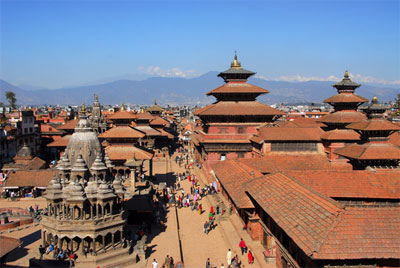
    Upon arrival in Kathmandu, you’ll be greeted at the airport and transferred to your hotel, where you’ll stay at the Shangri La Hotel or a similar accommodation. This day allows time to rest, recover from your flight, and get a first glimpse of Nepal’s vibrant capital. The evening can be spent exploring the local surroundings or relaxing in preparation for the journey ahead.

  • Day 2 Drive to SyabruBesi

    After breakfast, you’ll embark on a scenic drive to SyabruBesi, a picturesque village nestled at the edge of the Langtang National Park. The drive offers beautiful views of the countryside and mountains. Upon arrival, you’ll check into a local tea house for an overnight stay, with the evening spent enjoying a warm meal and preparing for the trek.

  • Day 3 Trek to Lama Hotel

    On Day 3, your trekking adventure begins as you hike toward Lama Hotel. The journey takes you through dense forests and rugged paths, with scenic views of the Langtang Valley. This trek lasts around 6-7 hours, and after reaching Lama Hotel, you’ll rest in a tea house and enjoy a delicious meal.

  • Day 4 Trek to Thyangsyap

    Today’s trek will take you to Thyangsyap, a lovely village situated 5-6 hours away from Lama Hotel. As you trek through beautiful forested areas and enjoy the rising mountain views, the altitude becomes more apparent, but the environment will keep you motivated. After reaching Thyangsyap, you’ll stay in a local tea house for the night.

  • Day 5 Trek to Mundu

    On Day 5, you’ll continue the trek to Mundu, a peaceful village located around 4 hours from Thyangsyap. The trek offers expansive views of the valley and snow-capped peaks in the distance. Once in Mundu, you’ll stay in a comfortable tea house for the night.

  • Day 6 Trek to Kyanjin Gompa

    Day 6 marks a highlight of your journey: trekking to Kyanjin Gompa, a spiritual center at the base of the Langtang Lirung peak. This trek takes you through stunning landscapes and cultural sites. After reaching Kyanjin Gompa, you’ll stay in a tea house, with time to explore the monastery and enjoy breathtaking mountain views.

  • Day 7 Day Hike to Langshisa Kharka

    On Day 7, you’ll embark on a day hike to Langshisa Kharka, a picturesque area with panoramic views of glaciers, high mountain peaks, and meadows. This day will help you acclimatize to the altitude while giving you an opportunity to experience the beauty of the Himalayas. After the hike, you’ll return to Kyanjin Gompa for another night in the tea house.

  • Day 8 Day Hike to Chergo Ri

    Today, you’ll enjoy another day hike, this time to Chergo Ri. The hike provides sweeping views of the Langtang Valley and the surrounding peaks. After soaking in the breathtaking views, you’ll return to the tea house for a restful night.

  • Day 9 Trek Back to Lama Hotel

    On Day 9, you’ll begin your descent back to Lama Hotel, retracing your steps through the Langtang Valley. The descent will be gentler on your body, though still a full day of walking. You’ll stay in the same tea house as before, reflecting on the journey and its highlights.

  • Day 10 Trek to Thulo Syabru

    Day 10 involves a trek to Thulo Syabru, a lower-altitude village that will help you adjust to the altitude change. You’ll spend the night at the Blue Star Lodge, a welcoming tea house where you can unwind and enjoy the peaceful atmosphere.

  • Day 11 Trek to Sing Gompa

    On Day 11, you’ll trek to Sing Gompa, a serene location with incredible views and an ideal place for reflection. This section of the trail is relatively easy, allowing you to enjoy the surrounding nature. After reaching Sing Gompa, you’ll stay in a tea house for the night.

  • Day 12 Trek to Dunche

    On Day 12, you’ll trek to Dunche, a small town where you’ll stay for the night. The trek will take you through forests and small villages, offering a chance to experience local life. After reaching Dunche, you’ll relax in a tea house for your last night in the region.

  • Day 13 Drive to Kathmandu

    On Day 13, you’ll drive back to Kathmandu, where you’ll stay in a hotel, such as the Shangri La Hotel or a similar accommodation. The scenic drive will bring you back to the capital, and you’ll have the rest of the day to relax or explore the city.

  • Day 14 Day at Leisure & Flight to London

    On your last day in Nepal, you’ll have the day at leisure to relax or explore Kathmandu further. You can visit famous temples, shop for souvenirs, or simply enjoy the local culture. In the evening, you’ll be transferred to the airport for your overnight flight back to London.

Cost Include and Exclude

Include
    • Airport pick-up and drop-off as per the itinerary
    • Flights
    • One porter for every two clients
    • An experienced trekking guide and a porter
    • Meals and accommodation
    • Entry fees
    • Hotel accommodation
    • Ground transportation
    • Twin-sharing teahouse accommodations
    • Duffle bag
    • Farewell dinner
Exclude
    • Nepal visa
    • Alcoholic beverages, bottled mineral water, soft drinks, and snacks
    • Personal medical or evacuation expenses
    • Extra porter for personal day backpacks
    • Riding horses or additional activities
    • Extra costs due to natural disasters
    • Kathmandu/Pokhara sightseeing
    • Extra nights in Kathmandu
    • Clothing, packing items, personal medical kit, and personal trekking gear
    • Meals in Kathmandu and Pokhara
    • Tips or gifts for staff

Frequently Asked Questions

  • What is the Langtang Valley Trek?

    The Langtang Valley Trek is a popular short to moderate trek in Nepal that takes you through the beautiful Langtang National Park, offering breathtaking views of the Langtang Himalayas, rich Tamang culture, and diverse landscapes—from lush forests to alpine meadows.

  • How many days does the Langtang Valley Trek take?

    The trek usually takes 7 to 10 days, depending on your itinerary, acclimatization needs, and travel logistics.

  • Where does the Langtang Valley Trek start and end?

    The trek starts from Syabrubesi, a small town about 6–7 hours’ drive from Kathmandu, and usually ends there as well unless combined with other routes like Gosainkunda or Helambu.

  • What is the best time to trek in Langtang Valley?

    The ideal seasons are spring (March to May) and autumn (September to November) for clear skies, stable weather, and vibrant landscapes.

  • Is a permit required for the Langtang Valley Trek?

    Yes, two permits are required:

    • TIMS Card(Trekkers’ Information Management System)
    • Langtang National Park Entry Permit

    These can be arranged through trekking agencies or obtained in Kathmandu.

  • How difficult is the Langtang Valley Trek?

    The trek is rated moderate. It doesn’t require technical climbing skills, but involves several days of walking in hilly terrain at high altitudes, reaching over 3,800 meters (Kyanjin Gompa).

  • What is the maximum altitude reached on this trek?

    The highest point is typically Kyanjin Ri (4,773 meters) or Tsergo Ri (4,984 meters), which are optional day hikes from Kyanjin Gompa and offer panoramic mountain views.

  • Is prior trekking experience needed?

    No prior trekking experience is required. However, a reasonable level of fitness and the ability to walk 5–6 hours daily is recommended.

  • What kind of accommodation is available on the trail?

    The trail offers teahouse-style accommodations—simple lodges run by local families that provide meals, basic rooms, and a warm trekking atmosphere.

  • Can I do the Langtang Valley Trek without a guide?

    Yes, solo trekking is permitted. However, hiring a local guide or porter is recommended for safety, local insight, and to support the local economy.

  • What are the highlights of the Langtang Valley Trek?

    Key highlights include:

    • Panoramic views of Langtang Lirung, Dorje Lakpa, and Yala Peak
    • Visiting Kyanjin Gompa, a Buddhist monastery at 3,870m
    • Exploring glaciers and high alpine meadows

    Experiencing Tamang and Tibetan-influenced culture

  • Are there risks of altitude sickness?

    Yes, particularly above 3,000 meters. Acclimatize properly, stay hydrated, and ascend gradually. Avoid skipping acclimatization days.

  • Is there internet or mobile signal on the trek?

    Wi-Fi is available in some teahouses (usually for a small fee). Mobile networks (NTC or Ncell) are sporadic but available in parts of the trail.

  • What should I pack for the Langtang Valley Trek?

    Essentials include:

    • Layered clothing (for cold and warm conditions)
    • Waterproof gear
    • Good trekking boots
    • Sleeping bag (rated for -10°C)
    • First aid kit
    • Water bottles or hydration system
    • Sunscreen and sunglasses

  • Is the Langtang Valley Trek suitable for families or older trekkers?

    Yes, with proper pacing and acclimatization, it’s suitable for families with teenagers and older trekkers in good health.


Testimonials

Similar Tours You May Like

We are affiliated with