For Call Support:
977-1-4529994

Trek Grade

Moderate

Max Trekking Altitude

4,600 m (15,092 ft)

Group Size

2 to 12 people

Best time to go

March to May (Spring – rhododendron bloom) September to November (Autumn – clear mountain views)

Highlights

    Scenic Flight to Phaplu

    Start your adventure with a picturesque flight to Phaplu, a small mountain airstrip in the Solu region. The flight offers dramatic views of the Himalayas, providing the perfect introduction to this lesser-known trekking region.

    Trekking Through Remote Sherpa Villages

    The trek begins with a journey through remote Sherpa villages, where you’ll experience authentic mountain life and witness traditional farming, local craftsmanship, and religious practices. The welcoming Sherpa communities offer an unforgettable cultural experience.

    Stunning Views from Pikey Peak (4,065m)

    The main highlight of the trek is reaching the summit of Pikey Peak, which offers one of the most panoramic views of the entire Everest region. From here, you can see Everest, Lhotse, Makalu, Kanchenjunga, and many other towering peaks, all in one stunning vista.

    Hike Through Dudh Kunda Valley

    The trek takes you to the tranquil Dudh Kunda Valley, known for its sacred Dudh Kunda Lake, meaning “Milk Lake.” This high-altitude lake, surrounded by snow-capped peaks, is a spiritual destination for both locals and trekkers.

    Visit the Sacred Dudh Kunda Lake (4,560m)

    The crystal-clear waters of Dudh Kunda Lake are a highlight for many trekkers, who visit this serene and sacred spot to offer prayers and experience the beauty of the surroundings. The area is a popular pilgrimage site for both Hindus and Buddhists.

    Unique Himalayan Flora and Fauna

    As you trek through the Solu Khumbu region, you’ll encounter a wide range of alpine flora and fauna, from lush rhododendron forests to alpine meadows. Keep an eye out for Himalayan wildlife like red pandas, musk deer, and various species of birds.

    Breathtaking Sunrise Views from Pikey Peak

    One of the best moments of the trek is catching a sunrise from Pikey Peak. The sight of the first light illuminating the peaks of Everest, Lhotse, and Makalu is truly magical, with the mountains bathed in golden hues.

    Cultural Exploration of Sherpa Monasteries

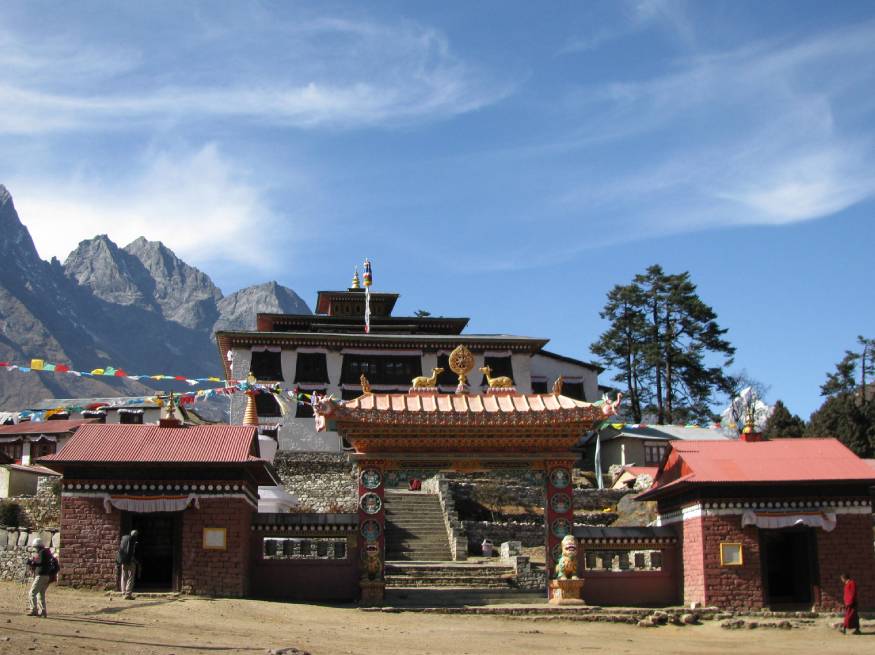
    Along the way, you’ll visit traditional Sherpa monasteries and chortens, providing insights into the spiritual life of the region. These Buddhist shrines offer moments of peace and reflection, adding a spiritual dimension to your trek.

    Less-Crowded Trail with Remote Tranquility

    Unlike the more popular Everest trails, the Pikey Peak with Dudh Kunda Trek offers a quieter, more peaceful trekking experience. The off-the-beaten-path nature of the trek means fewer crowds, allowing for a more serene and personal adventure.

    Stunning Himalayan Landscape and Views

    Throughout the trek, you’ll be treated to breathtaking views of the Everest, Makalu, and Kanchenjunga mountain ranges. The landscape changes constantly, offering everything from lush forests and terraced fields to rugged, high-altitude terrain.

Pikey Peak With Dudh Kunda Trek

A Hidden Gem in the Himalayas – With Mountain Legend

For those seeking a unique adventure away from the bustling crowds, the Pikey Peak with Dudhkunda Trek offers the perfect blend of serenity, natural beauty, and cultural immersion. This trek takes you through untouched landscapes, where you’ll be surrounded by panoramic views of the Everest and Annapurna regions, experience the beauty of alpine lakes, and explore some of the most pristine corners of Nepal.

At Mountain Legend, we guide you on this off-the-beaten-path trek, which offers a quieter, more intimate experience in the heart of the Himalayas. Along the way, you’ll be rewarded with breathtaking vistas, ancient monasteries, and the rich Sherpa culture that defines the Khumbu region.

Why Choose This Trek?

The Pikey Peak with Dudhkunda Trek offers an alternative route to the typical Everest trail, without compromising on spectacular mountain views. The trek reaches Pikey Peak (4,065 meters), a vantage point that provides one of the best panoramic views of Mount Everest, Makalu, Lhotse, Nuptse, and Kanchenjunga. It’s a trek that rewards you with both grandeur and peace—perfect for those who want to immerse themselves in nature and culture while avoiding the crowds of more popular trekking routes.

From Pikey Peak, the trek continues to the sacred Dudhkunda Lake, an alpine lake believed to have mystical powers and surrounded by stunning mountain scenery. Along the way, you’ll visit small Sherpa villages, monasteries, and enjoy the beauty of the Solu-Khumbu region, a quieter alternative to the bustling Khumbu valley.

Best Time to Go

Spring (March to May)– Ideal for clear skies, moderate temperatures, and vibrant wildflowers

Autumn (September to November)– Crisp weather, clear views, and great conditions for trekking

Both spring and autumn offer the best conditions for trekking in this region, providing stable weather and unparalleled views of the Himalayas.

Elevation and Terrain

Starting Elevation: 2,820m (Jhapre)

Highest Point: 4,065m (Pikey Peak)

The Pikey Peak with Dudhkunda Trek is a moderate trek that gradually ascends, allowing for proper acclimatization. The trail offers a mix of scenic ridgelines, forested paths, and alpine meadows, all while providing awe-inspiring views of the Himalayan peaks. The terrain is diverse, ranging from lush forests to rocky paths, with some steeper sections as you approach the peaks.

What You’ll See

Mountains: Everest, Lhotse, Makalu, Kanchenjunga, Annapurna

Sacred Sites: Dudhkunda Lake, Buddhist monasteries

Villages: Jhapre, Bhandar, and other traditional Sherpa settlements

Flora and Fauna: Rhododendron forests, alpine meadows, and diverse wildlife

The trek offers a rich array of natural and cultural highlights, including beautiful forests, quiet lakes, and breathtaking mountain vistas that few have the privilege to witness. The views from Pikey Peak are a highlight, with 360-degree panoramas of some of the highest peaks in the world.

Culture and Local Life

As you trek through the Solu-Khumbu region, you’ll encounter traditional Sherpa villages where life remains closely tied to the land and the mountains. The locals are warm and welcoming, offering you a chance to experience their unique way of life and culture.

You’ll also visit ancient Buddhist monasteries along the route, where you can learn about the region’s rich spiritual heritage and observe the peaceful rhythms of Sherpa life. The Tibetan Buddhist influence is evident in the prayer flags fluttering in the wind and the sacred sites, making this trek a spiritual journey as much as a physical one.

Food and Accommodation

Throughout the trek, you’ll stay in comfortable teahouses, local lodges that offer a warm and cozy place to rest. The food along the way is simple but hearty, designed to give you the energy needed for each day’s trek. Expect to enjoy:

Dal Bhat(rice and lentils with vegetables)

Momos(dumplings)

Soups, noodle dishes, and freshly baked bread

Tibetan tea and hot drinks

The teahouses are basic but welcoming, offering a warm respite after a long day of trekking.

A Trek to Remember

The Pikey Peak with Dudhkunda Trek is a hidden gem, a chance to experience the Himalayas in their raw, untouched beauty. It’s a trek that brings you closer to nature and offers a quieter, more reflective journey through one of the world’s most stunning mountain landscapes.

At Mountain Legend, we ensure that your trek is not just a challenge but a rich experience—one filled with breathtaking views, cultural insights, and a deep connection to the mountains and people of Nepal.

Ready for an Unforgettable Himalayan Adventure?

Join Mountain Legend and explore the hidden treasures of the Solu-Khumbu region. Trek to Pikey Peak, marvel at the beauty of Dudhkunda Lake, and experience the magic of the Himalayas in a way few have.

Start your journey today—where the Himalayas unfold in their quiet majesty.

Itinerary

  • Day 1 Arrival in Kathmandu

    Arrive in Kathmandu, the vibrant capital city of Nepal. You will be greeted at Tribhuwan International Airport (TIA) and transferred to your hotel. Take the rest of the day to relax or explore the local area, particularly the bustling streets of Thamel.
    Overnight at Hotel.

  • Day 2 Kathmandu to Phaplu (2,400 m)

    After breakfast, drive from Kathmandu to Phaplu, a scenic journey that will take approximately 8-9 hours. As you travel, enjoy the picturesque landscapes and the charm of rural Nepal.
    Overnight at Phaplu. BLD.

  • Day 3 Trek from Phaplu to Salleri (2,370 m)

    Begin your trek today as you ascend towards Salleri, the district headquarters of Solu. The walk will take around 3-4 hours through small villages, lush forests, and beautiful rhododendron trees. Enjoy the serene environment and the stunning views of the surrounding hills.
    Overnight at Tea House. BL

  • Day 4 Trek from Salleri to Ringmo (2,780 m)

    Today, continue your trek as you pass through several charming Sherpa villages, fields, and terraced landscapes. After about 5-6 hours of trekking, reach Ringmo, where you can rest and take in the peaceful atmosphere of the village.
    Overnight at Tea House. BLD.

  • Day 5 Trek from Ringmo to Pikey Peak Base Camp (3,640 m)

    This is a big day as you ascend towards Pikey Peak Base Camp. Enjoy the gradual climb through dense forests and meadows, with magnificent views of the Himalayan range. After about 5-6 hours of trekking, you will reach the base camp where you will be able to enjoy panoramic views of the surrounding peaks.
    Overnight at Tea House or Tent. BLD.

  • Day 6 Summit Pikey Peak (4,065 m) and Trek to Junbesi (2,680 m)

    Start early in the morning for the summit of Pikey Peak (4,065 m), a journey that will take about 2-3 hours. From the top, you will be rewarded with breathtaking views of Everest, Makalu, Kanchenjunga, and other snow-capped peaks. After descending, continue your trek to Junbesi, a picturesque Sherpa village.
    Overnight at Tea House. BLD.

  • Day 7 Trek from Junbesi to Dudh Kunda (4,560 m)

    Today, trek towards the sacred Dudh Kunda Lake, located at an altitude of 4,560 m. The trail will take you through beautiful rhododendron forests and grazing lands. Dudh Kunda is a serene, turquoise lake, and a significant site for both local Sherpas and trekkers alike.
    Overnight at Tea House or Camp. BLD.

  • Day 8 Explore Dudh Kunda and Acclimatization Day

    Take this day to explore the area around Dudh Kunda Lake. You can enjoy a short hike around the lake, taking in the serenity and majestic mountain views. If you wish, you can also trek to nearby high points for even more stunning panoramas.
    Overnight at Tea House or Camp. BLD.

  • Day 9 Trek from Dudh Kunda to Phaplu

    After spending time at the lake, begin your descent back towards Phaplu. The trek will take approximately 6-7 hours, passing through lush forests, small villages, and scenic landscapes.
    Overnight at Phaplu. BLD.

  • Day 10 Drive from Phaplu to Kathmandu

    After breakfast, enjoy a scenic drive back to Kathmandu. Upon arrival, check-in at your hotel and take the rest of the day to relax or explore the capital city further.
    Overnight at Hotel. BLD.

  • Day 11 Departure from Kathmandu

    Transfer to Tribhuwan International Airport for your return flight, completing your unforgettable trek in the Solu Khumbu region.
    Meals: Breakfast.

Cost Include and Exclude

Include
    • Airport pick-up and drop-off as per the itinerary
    • Flights
    • One porter for every two clients
    • An experienced trekking guide and a porter
    • Meals and accommodation
    • Entry fees
    • Hotel accommodation
    • Ground transportation
    • Twin-sharing teahouse accommodations
    • Duffle bag
    • Farewell dinner
Exclude
    • Nepal visa
    • Alcoholic beverages, bottled mineral water, soft drinks, and snacks
    • Personal medical or evacuation expenses
    • Extra porter for personal day backpacks
    • Riding horses or additional activities
    • Extra costs due to natural disasters
    • Kathmandu/Pokhara sightseeing
    • Extra nights in Kathmandu
    • Clothing, packing items, personal medical kit, and personal trekking gear
    • Meals in Kathmandu and Pokhara
    • Tips or gifts for staff

Frequently Asked Questions

  • What is the Pikey Peak with Dudh Kunda Trek?

    The Pikey Peak with Dudh Kunda Trek is a captivating journey that takes trekkers through the lesser-explored trails of the Solu region in Nepal, offering stunning views of Mount Everest, Kanchenjunga, and other Himalayan peaks. The trek combines the serene beauty of Pikey Peak (4,065 meters), a vantage point offering panoramic mountain views, with the sacred Dudh Kunda Lake, a high-altitude glacial lake nestled in the foothills of Everest. The trek is ideal for those seeking a peaceful, off-the-beaten-path experience that offers both spiritual significance and natural beauty.

  • How difficult is the Pikey Peak with Dudh Kunda Trek?

    The Pikey Peak with Dudh Kunda Trek is considered moderate in difficulty. While the trek does not involve technical climbing, it covers various terrains, including forests, ridges, and high-altitude environments. The trail ascends to an altitude of about 4,065 meters at Pikey Peak, which can lead to altitude sickness if proper acclimatization is not followed. The trek requires good physical fitness, but with steady pacing, it is accessible to trekkers with moderate trekking experience. The route is not as crowded as the Everest Base Camp Trek, providing a more serene trekking experience.

  • When is the best time to trek to Pikey Peak and Dudh Kunda?

    The best time to undertake the Pikey Peak with Dudh Kunda Trek is during the spring (March to May) and autumn (September to November). During these months, the weather is generally clear, with mild temperatures and minimal rain, providing excellent visibility of the mountains and ideal trekking conditions. The monsoon season (June to August) brings heavy rainfall, making the trail slippery and dangerous. Winter (December to February) is cold, and snow can block certain parts of the trail, making it less suitable for trekking.

  • What permits are required for the Pikey Peak and Dudh Kunda Trek?

    For this trek, you will need the following permits:

    • Sagarmatha National Park Entry Permit: Required to enter the national park and trek in the Solu region.
    • Solukhumbu Rural Municipality Permit: This permit is necessary for trekking in the Solu area, where both Pikey Peak and Dudh Kunda are located.
    • Trekkers’ Information Management System (TIMS) Card: A mandatory card for trekkers, issued by the Nepal Tourism Board.

    These permits can be arranged through a registered trekking agency or in Kathmandu before departure.

  • How long is the Pikey Peak and Dudh Kunda Trek?

    The Pikey Peak and Dudh Kunda Trek typically lasts 10 to 12 days, depending on the itinerary and pace. The trek begins with a flight to Phaplu from Kathmandu, followed by a trek through the beautiful villages of the Solu region, such as Salleri, Bunkhola, and Pikey Peak, before heading to the sacred Dudh Kunda Lake. The return journey retraces the same route, allowing trekkers ample time to enjoy the serene landscape and scenic views.

  • What type of accommodation is available during the trek?

    Accommodation during the Pikey Peak and Dudh Kunda Trek is primarily in teahouses—simple, family-run lodges that offer basic amenities such as twin-sharing rooms and communal dining areas. The meals served in the teahouses are mainly Nepali dishes like dal bhat (lentil soup with rice) and momos (dumplings), with some Western options available. While the facilities are modest, the warmth of the Sherpa hospitality makes the trek comfortable and enjoyable.

  • What should I pack for the Pikey Peak and Dudh Kunda Trek?

    Packing for the Pikey Peak and Dudh Kunda Trek requires essential high-altitude trekking gear. Important items include sturdy trekking boots, warm clothing (layers), a down jacket, a sleeping bag rated for cold temperatures, trekking poles, a headlamp, sunscreen, and sunglasses. It’s also advisable to bring a water purification method (like tablets or a filter), a camera to capture the stunning views, and a first-aid kit. Since the trek involves high-altitude areas, make sure to pack light but warm clothing to stay comfortable.

  • Do I need a guide and porter for the Pikey Peak and Dudh Kunda Trek?

    While it is not compulsory, hiring a guide and/or porter is highly recommended for the Pikey Peak and Dudh Kunda Trek. A guide will not only help you navigate the relatively lesser-known trails of the Solu region but also enrich your experience with knowledge of local culture, flora, and fauna. A porter can help carry your gear, allowing you to trek at a more relaxed pace. Both a guide and porter are valuable, especially in remote areas where the trail may be less well-marked.

  • What are the risks of altitude sickness on this trek, and how can I prevent it?

    Altitude sickness is a concern on the Pikey Peak and Dudh Kunda Trek, especially since you will be trekking at altitudes over 4,000 meters. To prevent altitude sickness, it is essential to ascend slowly, allowing your body time to acclimatize. The trek includes acclimatization days in places like Bunkhola and Pikey Peak, which helps the body adjust to the increasing altitude. Staying hydrated, eating well, and avoiding alcohol can also reduce the risk. If symptoms such as dizziness, headache, or nausea occur, descending to a lower altitude is advised.

  • What are the highlights of the Pikey Peak and Dudh Kunda Trek?

    The Pikey Peak and Dudh Kunda Trek offers a blend of natural beauty and cultural significance. Highlights include the stunning panoramic views from Pikey Peak, where trekkers can see Mount Everest, Kanchenjunga, and numerous other peaks. The trek also leads to the sacred Dudh Kunda Lake, an awe-inspiring glacial lake that is revered by locals. Along the way, trekkers experience the rich Sherpa culture, pass through beautiful rhododendron forests, and enjoy peaceful villages and monasteries that add to the trek’s charm. This journey is an ideal escape for those looking to experience the Himalayas in a quieter, more spiritual setting.

Testimonials

Similar Tours You May Like

We are affiliated with