For Call Support:
977-1-4529994

Trek Duration

5-7 days

Trek Grade

Challenging

Best time to go

March-May & Sept-Nov

Highlights

    • 1. Stunning Panoramic Views
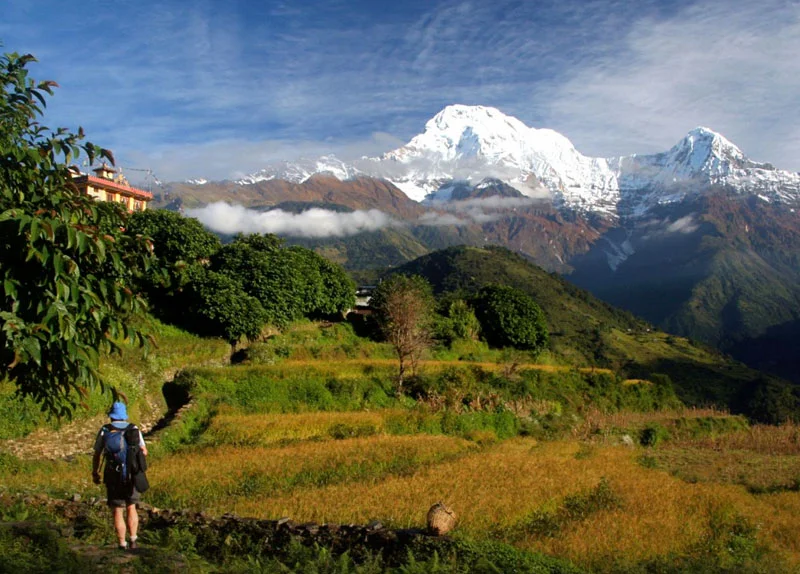
      The Khorpa Ridge rewards trekkers with awe-inspiring views of some of Nepal’s most iconic peaks, including Mount Everest, Kanchenjunga, and Makalu. Imagine waking up to the sun rising over the snow-capped Himalayas—a scene straight out of a dream.
    • 2. Serene and Untouched Trails
      Unlike the crowded trails of Everest Base Camp or Annapurna Circuit, Khorpa Ridge offers solitude and serenity. The less-trodden paths wind through pristine forests, verdant valleys, and alpine meadows, making it a haven for nature lovers.
    • 3. Rich Flora and Fauna
      This trek is a paradise for biodiversity enthusiasts. Trek through lush rhododendron forests, spot rare orchids, and keep an eye out for wildlife like the red panda, Himalayan tahr, and exotic bird species. Spring and autumn are the best seasons to witness the full bloom of nature’s bounty.
    • 4. Cultural Immersion
      Pass through traditional Sherpa and Tamang villages where time seems to stand still. Experience warm hospitality, taste authentic Himalayan cuisine, and learn about ancient Buddhist traditions. The region’s monasteries and prayer flags add a spiritual charm to your journey.
    • 5. Moderate Difficulty Level
      The Khorpa Ridge Trek is suitable for trekkers with moderate experience. The well-marked trails and manageable altitude make it an excellent choice for adventurers looking for a rewarding challenge without the extreme conditions of higher-altitude treks.
    • 6. Accessibility
      Located just a few hours’ drive from Kathmandu, the Khorpa Ridge trek is easy to reach and offers a fantastic short escape for those on a tight schedule. It’s an excellent alternative for travelers looking to explore the Himalayas without committing to a longer trek.
    • 7. Eco-Trekking Experience
      The trek is a model for sustainable tourism, encouraging eco-friendly practices and supporting local communities. Choosing Khorpa Ridge ensures your adventure leaves a positive impact on the environment and the people of the region.
    • 8. Photography Paradise
      From golden sunrises over towering peaks to misty forests and charming villages, Khorpa Ridge offers endless opportunities for photography. Bring your camera to capture the magic of Nepal’s hidden treasures.

Khorpa Ridge Trek

The Khorpa Ridge Trek offers a serene escape into the heart of the Himalayas, weaving together stunning mountain views, vibrant culture, and untouched natural beauty. For trekking enthusiasts seeking a less-trodden path with the perfect blend of adventure and tranquility, this is an ideal choice. Located in the far-reaching corners of Nepal, the Khorpa Ridge trek takes you through lush forests, quaint villages, and ridges that provide awe-inspiring panoramas of the snow-capped peaks. The trek offers a rare opportunity to explore traditional mountain villages, pristine forests, and ridgelines that look out over some of the most famous peaks in the Himalayas.

Best Time to Visit: For Optimal Conditions
The best time to visit Khorpa Ridge Trek is during the spring (March to May) and autumn (September to November) seasons. These months offer stable weather conditions, clear skies, and moderate temperatures, making trekking a pleasant experience. In spring, the trails come alive with blooming rhododendrons, while autumn brings stunning views of the Himalayan range, perfect for photography and sightseeing.

Altitude: Gradual Ascent to New Heights
The Khorpa Ridge Trek reaches a maximum altitude of around 3,800 meters (12,467 feet), making it a moderately challenging trek. While this trek doesn’t push you into the rarified air of high-altitude trekking, it’s still essential to acclimatize properly to avoid altitude sickness. The gradual ascent provides a steady challenge without overwhelming trekkers, making it accessible for those with moderate trekking experience.

Terrain: Diverse and Scenic
As you make your way through the Khorpa Ridge Trek, you’ll experience a variety of terrains. From lush forests of pine, oak, and rhododendron to rocky ridgelines offering panoramic views, the trail is a visual feast. The path meanders through ancient forests, rocky outcrops, and grassy meadows. On certain sections of the trek, the rugged terrain might require a bit of scrambling, but nothing too technical for experienced trekkers.

Mountains and Rivers: Views of the Majestic Himalayas
The Khorpa Ridge Trek offers spectacular views of towering Himalayan peaks, including Annapurna, Dhaulagiri, and Machapuchare. The ridge itself provides an unrivaled vantage point, where the entire Annapurna range can be seen in all its glory. Along the trail, trekkers will cross crystal-clear rivers, including tributaries of the Kali Gandaki River, famous for being the deepest gorge in the world. The serene riverside spots are perfect for resting and enjoying the peace of the Himalayas.

Flora and Fauna: Nature at Its Best
The trek passes through a variety of ecosystems, each home to unique flora and fauna. In the lower altitudes, the trail is lined with lush forests teeming with diverse plant species, including towering rhododendrons, magnolias, and wild orchids. As you ascend, the landscape transforms, with alpine meadows offering a perfect habitat for wildlife like musk deer, Himalayan tahr, and the elusive snow leopard. Birdwatchers will delight in the variety of species, including the Himalayan griffon vulture and golden eagles that soar above the ridgelines.

People and Culture: Living in Harmony with Nature
The villages along the Khorpa Ridge Trek are inhabited by Gurung and Tamang communities, known for their warm hospitality and rich cultural heritage. These ethnic groups have lived in the shadow of the Himalayas for centuries, maintaining traditional ways of life. The locals are incredibly welcoming, offering glimpses into their simple yet fulfilling lifestyles. Expect to witness daily rituals, colorful festivals, and an authentic mountain way of life that’s been passed down through generations. The culture is deeply intertwined with nature, and you may see prayer flags fluttering in the wind, symbolizing peace, good fortune, and protection.

Lifestyle: A Simpler Way of Living
The people living along the Khorpa Ridge Trek lead a simple yet profound lifestyle. Agriculture is the primary occupation, with terraced fields growing crops like rice, millet, and potatoes. Many families also engage in animal husbandry, tending to cattle and goats. The rhythm of life here revolves around the seasons, with harvest times marking key moments in the local calendar. Living in such isolation from urban centers has allowed these communities to preserve their traditions and maintain a deep connection with the land.

Food and Accommodation: A Taste of Nepalese Hospitality
Along the trek, accommodation is typically in teahouses and lodges, which offer basic amenities but provide a warm, welcoming atmosphere. Meals are simple, nutritious, and prepared with locally sourced ingredients. Expect hearty dishes like dal bhat (lentil soup with rice), momo (dumplings), and thukpa (noodle soup) to fuel your trek. These meals are filling and offer a true taste of Nepalese comfort food, ensuring you stay energized throughout the journey. In higher elevations, options may be more limited, but the friendliness of the locals and the charm of the teahouses make up for it.



Frequently Asked Questions

  • Where is Khorpa Ridge located?

    Khorpa Ridge is situated in the Himalayan region of Nepal, just a few hours’ drive from Kathmandu. This makes it an easily accessible trekking destination for adventurers seeking a less crowded and serene experience.

  • How difficult is the Khorpa Ridge Trek?

    The trek is considered moderately challenging, making it ideal for trekkers with some prior experience. The trails are well-marked, and while the altitude isn’t as extreme as some other Himalayan treks, a good level of physical fitness is recommended.

  • How long does the trek take?

    The Khorpa Ridge Trek typically takes 5 to 7 days, depending on your pace and itinerary. It’s a perfect choice for those with limited time who still want a rewarding Himalayan adventure.

  • What is the best time to trek to Khorpa Ridge?

    The best seasons for the Khorpa Ridge Trek are spring (March to May) and autumn (September to November). During these months, the weather is stable, the skies are clear, and the rhododendron forests are in full bloom, enhancing the trek’s beauty.

  • Do I need a permit to trek to Khorpa Ridge?

    Yes, like most trekking routes in Nepal, you’ll need to obtain the necessary permits, such as the TIMS (Trekkers’ Information Management System) card and local area permits. Your trekking agency can help you arrange these.

  • What kind of accommodation is available on the trek?

    Accommodation along the Khorpa Ridge Trek is typically in teahouses or small lodges operated by local families. These offer basic facilities, cozy meals, and an authentic experience of Himalayan hospitality.

  • What should I pack for the Khorpa Ridge Trek?

    Some essential items to pack include:

    • Sturdy trekking boots
    • Warm clothing (layers for varying temperatures)
    • A good-quality sleeping bag
    • Trekking poles
    • Sunscreen, sunglasses, and a hat
    • Reusable water bottle and purification tablets
    • Basic first aid kit

    Travel light but ensure you’re prepared for changing weather conditions.

  • Is the Khorpa Ridge Trek suitable for solo travelers?

    Yes, the trek is suitable for solo travelers. However, hiring a guide or joining a small group can enhance your experience, ensure safety, and provide insights into the local culture and landscape.

  • What kind of food is available on the trek?

    The teahouses along the route serve a variety of meals, including dal bhat (rice and lentils), noodles, momos (dumplings), soups, and basic Western dishes. The food is hearty and provides the energy needed for trekking.

  • Is altitude sickness a concern on this trek?

    Altitude sickness is less likely on the Khorpa Ridge Trek due to its moderate elevation. However, it’s important to stay hydrated, trek at a comfortable pace, and allow your body to acclimatize.

  • Are there any ATMs or charging facilities on the trek?

    ATMs are available in Kathmandu but not along the trekking route. Charging facilities are limited and may incur a small fee, so carrying a power bank is recommended.

  • Can I do this trek with children or older adults?

    The trek is feasible for children and older adults with good fitness levels and proper preparation. Choosing a slower pace and ensuring adequate rest can make the trek enjoyable for all age groups.

  • Is the Khorpa Ridge Trek eco-friendly?

    Yes, the trek emphasizes sustainable tourism practices. Visitors are encouraged to follow the Leave No Trace principles, respect local communities, and support eco-friendly accommodations.

  • What makes the Khorpa Ridge Trek unique?

    The Khorpa Ridge Trek offers a rare combination of seclusion, stunning Himalayan views, rich biodiversity, and an authentic glimpse into Sherpa and Tamang cultures. Its less-crowded trails make it a perfect choice for those seeking a peaceful Himalayan adventure.

Testimonials

Similar Tours You May Like

We are affiliated with