For Call Support:
977-1-4529994

Trek Grade

Strenuous

Max Trekking Altitude

5,160 m (16,929 ft)

Group Size

2 to 12 people

Best time to go

March to May (Spring) September to November (Autumn)

Highlights

    Trek Around the World’s 8th Highest Mountain
    The Manaslu Circuit Trek is a thrilling journey around Mount Manaslu (8,163m) — the eighth-highest peak in the world — offering dramatic Himalayan scenery and a quieter alternative to the Annapurna Circuit.
    Less-Crowded Yet Spectacular Trail
    Enjoy the tranquility of one of Nepal’s best-kept trekking secrets. The Manaslu Circuit is far less commercialized than Everest or Annapurna but equally rewarding in terms of scenery, adventure, and cultural depth.
    Diverse Landscapes & Climate Zones
    Trek from sub-tropical forests and terraced rice fields to alpine meadows and glacier-fed rivers. The route transitions through a wide range of landscapes and elevations — from 700m to over 5,000m.
    Breathtaking Crossing of Larkya La Pass (5,160m)
    The dramatic Larkya La Pass is the highest and most challenging point of the trek, offering epic 360° views of Himlung Himal, Cheo Himal, Kang Guru, and Annapurna II. A true high-altitude adventure!
    Rich Cultural Encounters
    Experience a blend of Gurung, Tibetan, and Nubri cultures, with traditional villages, monasteries, mani walls, and prayer flags dotting the trail. Each village offers insight into unique Himalayan lifestyles and spiritual practices.
    Manaslu Conservation Area
    Hike through the protected Manaslu Conservation Area, a biodiversity hotspot home to snow leopards, Himalayan thar, red pandas, and over 1,500 plant species. It’s a paradise for nature lovers.
    Charming Traditional Villages
    Visit remote mountain villages like Sama Gaun, Samdo, and Lho, known for their ancient monasteries, stone-built homes, and heartwarming hospitality. Sama Gaun is also a great base for acclimatization hikes.
    Side Trip to Manaslu Base Camp
    Enjoy an optional day hike to Manaslu Base Camp (4,800m) from Sama Gaun — a stunning route offering close-up views of glaciers and towering peaks.
    Tibetan Buddhist Monasteries and Spiritual Sites
    Stop by serene monasteries such as Pungyen Gompa and learn about the local spiritual life deeply rooted in Tibetan Buddhism. The presence of chortens, prayer wheels, and mani walls enriches the trail spiritually.
    Perfect Blend of Adventure, Culture & Solitude
    The Manaslu Circuit offers a perfect combination of raw adventure, remote trekking, rich culture, and spectacular high-altitude mountain scenery — ideal for trekkers seeking an authentic and less-trodden Himalayan trail.


Manaslu Circuit Trek

Manaslu Circuit Trek: A Journey Through Nepal’s Majestic Himalayan Heart with Mountain Legend
The Manaslu Circuit Trek, one of the most thrilling and captivating trekking routes in Nepal, is a journey that brings you face to face with some of the highest peaks in the world, diverse landscapes, and vibrant cultural experiences. At Mountain Legend, we take you on an unforgettable adventure through this remote and untouched region, where the wild beauty of the Himalayas meets the rich traditions of the local communities. From lush forests to high-altitude deserts, from quaint villages to challenging passes, the Manaslu Circuit is a trek that offers it all.
The Magnificent Manaslu: Nepal’s Eighth Highest Peak
The Manaslu Circuit Trek takes its name from Manaslu (8,163 meters), the eighth-highest mountain in the world. Standing tall in the Gorkha District of Nepal, the mountain’s sheer magnificence and spiritual significance make it a revered peak for locals and trekkers alike. The name Manaslu is derived from the Sanskrit word “Manasa,” meaning “intellect” or “soul,” and it is believed to hold sacred power.
This circuit trek encircles Manaslu, taking trekkers deep into the heart of the Manaslu Conservation Area. The region, with its towering peaks, crystal-clear rivers, and ancient monasteries, offers a journey into the wilderness like no other. The adventure, often described as “the road less traveled,” brings you through pristine landscapes, remote villages, and a variety of cultures that have thrived in this rugged land for centuries.
The Trek: A Gradual Ascend from Lower Valleys to High Himalayas
The trek begins in Soti Khola, a small town near Arughat, which is a six- to seven-hour drive from Kathmandu. From here, you’ll follow the trail of the Budi Gandaki River, passing through dense forests of rhododendron, pine, and bamboo. As you leave behind the lowland villages, the landscape gradually transforms. The lush greenery gives way to more barren, alpine terrain as you gain altitude.
The trek is a gradual climb through villages like Machha Khola, Jagat, and Dyang, where you can experience the local cultures of Tamang, Gurung, and Sherpa communities. Their traditional stone houses, Buddhist prayer wheels, and colorful chortens (stupas) dot the trail. The warm hospitality of the locals is a highlight of the trek, making you feel like part of their community.
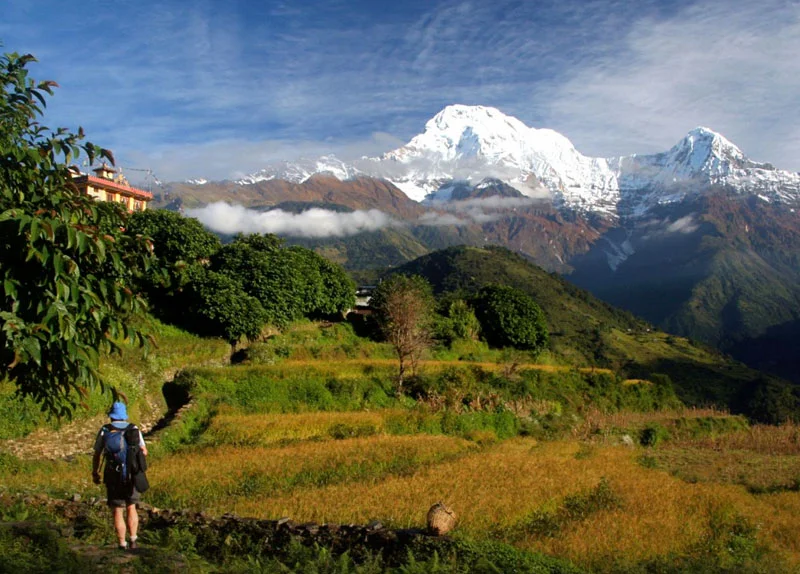
As you continue to ascend, the peaks of Manaslu, Ganesh Himal, and the Himalchuli range emerge, offering sweeping views that will leave you in awe. The further you go, the more spectacular the views become, and the diversity of the landscape transforms from subtropical forests to alpine meadows, high glaciers, and rugged mountain terrain.
Larkya La Pass: Conquer the Highest Point of the Trek
The highlight of the Manaslu Circuit is undoubtedly the Larkya La Pass (5,160 meters), one of the highest trekking passes in Nepal. Reaching the pass is a challenging and exhilarating experience, with steep inclines and unpredictable weather. But once you’ve reached the summit, the reward is immense: 360-degree views of towering peaks such as Manaslu, Himalchuli, Ngadi Chuli, and Shalbachum. The snow-covered peaks, glaciers, and high-altitude landscapes create a sense of awe that will remain etched in your memory forever.
The descent from Larkya La Pass takes you into the Marsyangdi Valley, where the lush, green terraced fields and traditional villages provide a stark contrast to the barren high-altitude landscapes. The valley offers a peaceful environment for trekkers to recover, and it’s the perfect place to reflect on the accomplishment of crossing the pass.
Diverse Flora and Fauna Along the Manaslu Circuit
The Manaslu Circuit Trek is as much a journey through natural beauty as it is through the culture of the region. As you trek through the Manaslu Conservation Area, you’ll pass through several distinct ecosystems, from subtropical forests to alpine meadows and high-altitude deserts.
The area is rich in flora and fauna. The dense forests of rhododendron and oak trees are home to wildlife such as the Himalayan tahr, red panda, snow leopard, and wild boar. The conservation area is also home to a variety of birds, including the national bird of Nepal, the Danphe (Himalayan monal), which adds to the region’s vibrant wildlife. For nature lovers, the trek offers a wealth of natural wonders that are both enchanting and humbling.
Spirituality Along the Trail
The Manaslu Circuit is steeped in spiritual significance, with many monasteries, gompas (temples), and chortens along the route. The most notable is Sama Gompa, a peaceful Buddhist monastery located at 3,300 meters. The area is known for its serene atmosphere, making it a perfect spot for meditation and reflection. As you pass through the villages, you’ll encounter prayer flags, mani walls (stone carvings with Buddhist prayers), and prayer wheels, creating a sense of connection with the spiritual essence of the region.
Trekking through the Manaslu Circuit allows you to witness the profound relationship between the locals and the land. The people of this region, particularly the Tamang and Gurung communities, have lived in harmony with the mountains for centuries, and their spirituality is intricately woven into the landscape.
Best Time to Trek Manaslu Circuit
To enjoy the Manaslu Circuit Trek at its best, Mountain Legend recommends visiting during the spring (March to May) or autumn (September to November) seasons. These months offer clear skies, mild temperatures, and excellent visibility of the surrounding peaks. Spring brings an explosion of colorful rhododendrons, while autumn offers crisp air and golden hues. The summer monsoon season brings occasional rain, and the winter months can be cold, especially at higher altitudes.
Permits and Regulations
Trekking in the Manaslu Circuit requires specific permits, including:
Manaslu Conservation Area Permit: Required to enter the conservation area and trek the Manaslu region.
TIMS (Trekkers’ Information Management System) Card: A mandatory registration card for all trekkers in Nepal to ensure safety.
Annapurna Conservation Area Permit (ACAP): Required for the sections of the trek that enter the Annapurna region.
At Mountain Legend, we take care of all the necessary permits and regulations, ensuring that your journey is smooth and hassle-free.
Accommodation and Comfort
Throughout the trek, accommodation is available in teahouses, where you can rest after a long day of trekking. These teahouses offer basic facilities, including shared rooms and common areas, but provide an authentic experience that allows you to connect with the local communities. You’ll also enjoy traditional Nepali and Tibetan cuisine, such as dal bhat, momo, thukpa, and yak cheese.
As you ascend to higher altitudes, the teahouses become more basic, but the warmth and hospitality of the local people create a cozy and welcoming environment that will make you feel right at home.
Why Choose Mountain Legend for Your Manaslu Circuit Trek?
At Mountain Legend, we specialize in offering tailored trekking experiences that combine adventure, culture, and comfort. Our experienced guides will ensure that you are well-prepared for the trek, providing expert knowledge of the region’s landscapes, culture, and history. We believe in responsible tourism, ensuring that the trek benefits both the environment and the local communities.
The Manaslu Circuit Trek is an adventure that challenges the body and nourishes the soul. Let Mountain Legend guide you through the remote villages, high-altitude passes, and breathtaking landscapes of one of Nepal’s most beautiful and spiritual trekking routes. This trek is an unforgettable journey, one that will leave you with memories and experiences that will last a lifetime.


Itinerary

  • Day 1 Drive to Arughat Bazar, Then to Soti Khola

    On Day 1, you will drive to Arughat Bazar, and then continue to Soti Khola. The journey offers beautiful views of the countryside and surrounding hills. Once at Soti Khola, you’ll stay in a tea house. Meals provided: Lunch and Dinner.

  • Day 2 Trek to Machhakhola (930m)

    Day 2 begins with a trek to Machhakhola, which is at an altitude of 930 meters. The trek will take approximately 6-7 hours, passing through lush forests and small villages along the way. After reaching Machhakhola, you’ll stay in a tea house for the night. Meals provided: Breakfast, Lunch, and Dinner.

  • Day 3 Trek to Jagat (1340m)

    On Day 3, you’ll trek to Jagat, which is located at 1340 meters. The trek will take 6-7 hours and involve some elevation gain as you pass through charming villages and scenic landscapes. In Jagat, you’ll stay in a tea house for the night. Meals provided: Breakfast, Lunch, and Dinner.

  • Day 4 Trek to Deng (1860m)

    Day 4 involves a trek to Deng, situated at 1860 meters. The trek will take around 5-6 hours, and you’ll pass through more villages and thick forests. Once you reach Deng, you’ll stay in a tea house for the night. Meals provided: Breakfast, Lunch, and Dinner.

  • Day 5 Trek to Namrung (2660m)

    On Day 5, you’ll continue your journey to Namrung, located at 2660 meters. This trek will take approximately 6-7 hours, and you’ll get glimpses of the Himalayan peaks. Upon reaching Namrung, you’ll stay in a tea house for the night. Meals provided: Breakfast, Lunch, and Dinner.

  • Day 6 Trek to Shyalla (3520m)

    On Day 6, the trek continues to Shyalla, which sits at an altitude of 3520 meters. The trek will take 6-7 hours, offering great views of the mountains and Tibetan-influenced villages. You’ll stay in a tea house at Shyalla for the night. Meals provided: Breakfast, Lunch, and Dinner.

  • Day 7 Trek to Samagaon (3530m)

    Day 7 will take you to Samagaon, situated at 3530 meters. The trek will take 6-7 hours, and you’ll pass through alpine terrain and serene villages. After arriving in Samagaon, you’ll rest in a tea house for the night. Meals provided: Breakfast, Lunch, and Dinner.

  • Day 8 Rest Day - Optional Day Trip to Manaslu Base Camp or Punggen Gompa

    On Day 8, you’ll have a rest day to help acclimatize to the altitude. You can take an optional day trip to Manaslu Base Camp or visit Punggen Gompa. This will be a 6-7 hour round trip. After returning to Samagaon, you’ll stay in a tea house. Meals provided: Breakfast, Lunch, and Dinner.

  • Day 9 Trek to Samdo (3800m)

    On Day 9, you’ll trek to Samdo, located at 3800 meters. This will be a shorter trek of about 3-4 hours, allowing you to adjust to the higher altitude. After reaching Samdo, you’ll stay in a tea house for the night. Meals provided: Breakfast, Lunch, and Dinner.

  • Day 10 Rest Day - Optional Exploration Day Trip to the Tibet Border

    Day 10 is another rest day to help with acclimatization. You can take an optional exploration day trip to the Tibet Border, which will offer unique views and experiences. Afterward, return to Samdo and stay in a tea house. Meals provided: Breakfast, Lunch, and Dinner.


  • Day 11 Trek to Dharmashala (4460m)

    On Day 11, you’ll trek to Dharmashala, which lies at 4460 meters. The trek will take approximately 3-4 hours, offering great views of the surrounding mountains. Upon reaching Dharmashala, you’ll stay in a tea house for the night. Meals provided: Breakfast, Lunch, and Dinner.

  • Day 12 Trek to Bhimthang (3720m) via Larke Pass (5106m)

    Day 12 will be the most challenging day of the trek. You’ll cross the high Larke Pass at 5106 meters, and then descend to Bhimthang at 3720 meters. The trek will take 8-9 hours, but the views from the pass are truly rewarding. You’ll stay in a tea house in Bhimthang for the night. Meals provided: Breakfast, Lunch, and Dinner.

  • Day 13 Trek to Gowp (2560m)

    On Day 13, you’ll trek to Gowp, which is at 2560 meters. The trek will take around 6 hours, and you’ll pass through different landscapes as you descend from the higher altitudes. After reaching Gowp, you’ll stay in a tea house for the night. Meals provided: Breakfast, Lunch, and Dinner.

  • Day 14 Trek to Tal (1700m)

    On Day 14, you’ll trek to Tal, located at 1700 meters. This trek will take approximately 6-7 hours, and you’ll pass through forests and villages. You’ll stay in a tea house in Tal for the night. Meals provided: Breakfast, Lunch, and Dinner.

  • Day 15 Drive to Beshisahar and Then to Kathmandu

    On Day 15, you’ll drive back to Beshisahar, and then continue to Kathmandu. The drive will take around 8-9 hours, and you’ll return to the city with memories of your amazing trekking journey. Meals provided: Breakfast, Lunch, and Dinner.

Cost Include and Exclude

Include
    • Airport pick-up and drop-off as per the itinerary
    • Flights
    • One porter for every two clients
    • An experienced trekking guide and a porter
    • Meals and accommodation
    • Entry fees
    • Hotel accommodation
    • Ground transportation
    • Twin-sharing teahouse accommodations
    • Duffle bag
    • Farewell dinner


Exclude
    • Nepal visa
    • Alcoholic beverages, bottled mineral water, soft drinks, and snacks
    • Personal medical or evacuation expenses
    • Extra porter for personal day backpacks
    • Riding horses or additional activities
    • Extra costs due to natural disasters
    • Kathmandu/Pokhara sightseeing
    • Extra nights in Kathmandu
    • Clothing, packing items, personal medical kit, and personal trekking gear
    • Meals in Kathmandu and Pokhara
    • Tips or gifts for staff


Frequently Asked Questions

  • What is the Manaslu Circuit Trek?

    The Manaslu Circuit Trek is a thrilling and challenging trekking route that takes you around the stunning Manaslu Mountain (8,163m), the eighth highest peak in the world. This trek offers incredible views of the Himalayas, an opportunity to experience unique cultural diversity, and a chance to trek through one of the most remote regions of Nepal.

  • Where does the Manaslu Circuit Trek start and end?

    The trek starts and ends in Arughat, a town in the Gorkha district, located around 7–8 hours by road from Kathmandu. The trail circumnavigates Manaslu Mountain before crossing the Larkya La Pass (5,160 meters), and finishes at Besisahar, which is the gateway to the Annapurna Circuit.

  • How long is the Manaslu Circuit Trek?

    The trek typically takes 14 to 18 days, depending on your pace, acclimatization days, and the specific itinerary. It covers a range of altitudes, diverse landscapes, and cultural zones.

  • What is the best time to do the Manaslu Circuit Trek?

    The best seasons for the Manaslu Circuit Trek are spring (March to May) and autumn (September to November). During these times, the weather is clear, the skies are bright, and the trekking conditions are perfect for high-altitude adventure.

  • Do I need special permits for the Manaslu Circuit Trek?

    Yes, you need a few permits:

    • Manaslu Restricted Area Permit(since Manaslu is a restricted region)
    • TIMS Card(Trekkers’ Information Management System)
    • Manaslu Conservation Area Permit
    • Annapurna Conservation Area Permit(if you’re connecting to Annapurna Circuit)

    These permits must be arranged through a registered trekking agency.

  • Is the Manaslu Circuit Trek difficult?

    The trek is considered moderate to challenging, especially due to the Larkya La Pass at 5,160 meters. The trail involves long days of trekking, significant altitude gain, and steep ascents, so good physical fitness and acclimatization are crucial.

  • What is the highest point on the Manaslu Circuit Trek?

    The highest point of the trek is the Larkya La Pass (5,160m), which offers stunning views of Manaslu and other Himalayan peaks. This pass can be demanding and requires proper acclimatization.

  • Is prior trekking experience required for the Manaslu Circuit Trek?

    While prior trekking experience is helpful, it is not mandatory. However, a reasonable level of fitness, the ability to trek 5–7 hours a day, and proper preparation are necessary to complete the trek safely.

  • What are the highlights of the Manaslu Circuit Trek?

    Highlights of the trek include:

    • Spectacular views of Manaslu, Himalchuli, and Ganesh Himal
    • Crossing the challenging Larkya La Pass
    • Exploring remote Tibetan villagesand Buddhist monasteries
    • Trekking through lush forests, alpine meadows, and high mountain deserts
    • Experiencing the local cultures of the Tamang, Gurung, and Tibetanpeople

  • How many days does it take to acclimatize on the Manaslu Circuit Trek?

    Acclimatization is crucial for high-altitude trekking. The trek typically includes two to three acclimatization days, particularly in places like Samagaon (3,530m) and Samdo (3,875m), before attempting the Larkya La Pass.

  • Is the Manaslu Circuit Trek crowded?

    No, one of the appealing aspects of the Manaslu Circuit Trek is that it is less crowded than more famous treks like the Everest or Annapurna Circuits. It offers a more tranquil and peaceful trekking experience.

  • What type of accommodation is available?

    Accommodation is available in teahouses along the route, offering basic facilities. In higher-altitude areas, the teahouses are more simple, with shared rooms, basic meals, and limited amenities.

  • Can I do the Manaslu Circuit Trek solo?

    Solo trekking is not allowed in the Manaslu region due to its restricted status. You must trek with a licensed guide and porter who will ensure safety, help with navigation, and enhance your cultural experience.

  • What should I pack for the Manaslu Circuit Trek?

    Essential items to pack include:

    • Warm layers(including a down jacket)
    • Trekking bootsand gaiters
    • Waterproof jacket and pants
    • Sleeping bag(4-season)
    • Water purification tabletsor filter
    • Sunscreen, hat, and sunglasses
    • Headlamp, first-aid kit, and power bank

  • Is there mobile signal or Wi-Fi on the trek?

    While mobile networks (NTC, Ncell) are available in certain areas, the signal can be sporadic, especially at higher altitudes. Wi-Fi is available in some teahouses but often at a cost.

Testimonials

Similar Tours You May Like

We are affiliated with