For Call Support:
977-1-4529994

Trek Duration

12-15 days

Max Trekking Altitude

5,320 meters (17,454 feet)

Best time to go

March-May & Sept-Nov

Highlights

    • 1. Immersive Wilderness Experience
      The Naar-Phu Trek is a thrilling plunge into the heart of Nepal’s wild beauty. Trek through desolate, high-altitude landscapes, where few have ventured. The route meanders through rocky terrains, sparse forests, and ancient, isolated villages, offering trekkers a sense of exploration akin to stepping into a forgotten world.
    • 2. Panoramic Views of the Himalayas
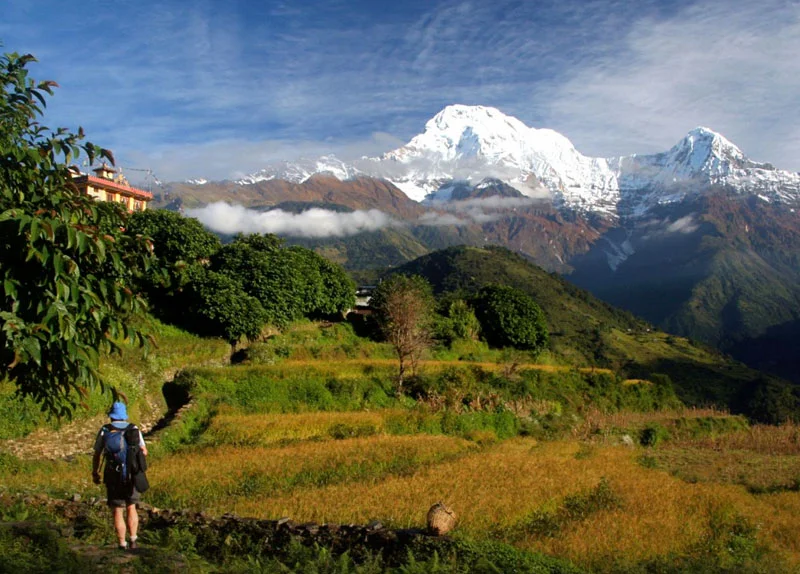
      The trek delivers unparalleled panoramic views of some of the most iconic peaks in the Annapurna Range. From the towering Annapurna II and Manaslu to the majestic Gangapurna, trekkers are treated to ever-changing vistas of the snow-capped Himalayas, which stand proudly against the deep blue skies. The sight of these peaks, especially at sunrise, is nothing short of magical.
    • 3. Remote Valleys of Naar and Phu
      The Naar and Phu valleys are like Nepal’s best-kept secrets. Nestled away from the crowds, these valleys are filled with hidden treasures—from ancient monasteries to untouched glacial lakes. Walking through these remote landscapes feels like a step back in time, where the landscape’s raw beauty remains largely unchanged by modernity.
    • 4. Rich Cultural Heritage
      The Naar-Phu Trek is not just a physical journey, but a cultural one. The villages of Naar and Phu are home to the Tibetan-speaking people of the region, who have preserved their Buddhist traditions and lifestyle for centuries. Visitors can explore monasteries, chortens, and prayer wheels, and learn about the region’s unique customs and way of life. The Tibetan influence here is evident in the architecture, food, and everyday rituals of the locals.
    • 5. High Altitude Trekking
      With altitudes reaching over 5,000 meters (16,400 feet), the Naar-Phu Trek is an adventure for seasoned trekkers. The altitude provides a genuine challenge, but it’s rewarded with some of the most dramatic landscapes in Nepal, including snow-covered ridges and glacial river valleys. Proper acclimatization and physical preparation are essential, but the rewards are immense.
    • 6. Unique Flora and Fauna
      The trek passes through a variety of ecosystems, from lush forests to alpine meadows, providing opportunities to spot the region’s wildlife. Snow leopards, Himalayan tahr, and blue sheep roam these rugged landscapes, while marmots, pikas, and eagles call the high cliffs home. The changing flora, from rhododendrons and junipers to hardy alpine plants, makes each section of the trek feel like a new world.
    • 7. Spiritual Journey through Ancient Monasteries
      As you traverse the Naar-Phu valleys, you will encounter sacred Buddhist monasteries that have stood for centuries. These remote gompas are not just religious sites, but also historical symbols of the resilience of the people who have lived in these harsh terrains. The Tibetan Buddhist culture is alive in every prayer flag, every carved stone, and every flickering butter lamp.
    • 8. Traditional Tibetan Cuisine
      Food on the Naar-Phu Trek is a reflection of the Tibetan culture. Dishes like momos, thukpa, and tsampa (roasted barley flour) are staples, providing trekkers with the energy needed to navigate the rugged terrain. The warmth of a hearty meal after a day of trekking, served in simple teahouses along the way, adds to the trek’s charm.
    • 9. Accommodation Along the Trail
      Accommodation during the trek is available in small, traditional teahouses and lodges operated by local families. While basic, the hospitality is warm, and the food served is nourishing and authentic. Sleeping in these humble lodges gives trekkers a chance to engage with the local culture, fostering connections with the mountain communities.
    • 10. A Challenging yet Rewarding Trek
      The Naar-Phu Trek is known for its physical demands. The rugged trails, the altitude, and the remote nature of the trek all contribute to making this an adventure for the dedicated trekker. But the challenge is precisely what makes it so rewarding. Each day brings new surprises, and the sense of accomplishment upon reaching the remote villages or the summit of a ridge is unmatched.
    • 11. Minimal Crowds, Maximum Adventure
      One of the most alluring aspects of the Naar-Phu Trek is its remoteness. Unlike the popular Annapurna or Everest treks, this route is far less crowded, offering trekkers a true escape from the masses. The solitude of the trail, combined with its breathtaking landscapes, creates an experience of pure serenity.

Naar-Phu Trek

The Naar-Phu Trek is a hidden gem in Nepal’s Annapurna region, offering adventurers a rare glimpse into remote valleys, ancient culture, and unspoiled natural beauty. Tucked away from the more popular trekking routes, Naar and Phu are two secluded villages nestled in the Himalayan wilderness, promising an authentic and unforgettable experience for nature lovers, cultural enthusiasts, and seasoned trekkers alike.
The journey takes you through rugged terrain, lush forests, and stark, high-altitude landscapes, where snow-capped peaks dominate the skyline. With every step, you’ll encounter breathtaking vistas, traditional Tibetan villages, and centuries-old monasteries.
This trek is perfect for those who crave solitude and seek a deeper connection with nature and the Himalayan way of life.

Best Time to Visit the Naar-Phu Valley
The best time to trek the Naar-Phu Valley is during spring (March to May) and autumn (September to November). These seasons offer stable weather, clear skies, and stunning views of the Annapurna and Manaslu ranges. The spring months bring vibrant rhododendron blooms, while autumn provides crisp air and golden landscapes, making your trek even more picturesque.
Altitude and Terrain
The Naar-Phu Trek reaches altitudes of up to 5,320 meters (17,454 feet) at the Kang La Pass, offering awe-inspiring views of peaks like Annapurna II, Gangapurna, Tilicho Peak, and Himlung Himal. The trail features a mix of challenging rocky paths, alpine meadows, narrow gorges, and high mountain passes.
Majestic Mountains and Serene Rivers
This trek treats you to panoramic views of some of the most iconic Himalayan peaks, including Annapurna, Dhaulagiri, and Lamjung Himal. The rivers—like the Marsyangdi and Nar Khola—flow gracefully through the valleys, adding a soothing soundtrack to your journey.
Flora and Fauna
The Naar-Phu region is rich in biodiversity. As you ascend through different climatic zones, you’ll pass through forests of pine, fir, and rhododendron. Keep an eye out for wildlife like blue sheep, snow leopards, Himalayan tahr, and a variety of bird species, including the colorful Himalayan monal, Nepal’s national bird.
People, Culture, and Lifestyle
The Naar-Phu Valley is home to ethnic Tibetan Buddhists, whose lifestyle remains deeply rooted in ancient traditions. You’ll have the chance to visit monasteries like Tashi Lhakhang and observe rituals that have been preserved for generations. The locals are warm and welcoming, with their stone-built houses and yak herding practices reflecting a way of life adapted to the harsh high-altitude environment.
Food and Accommodation
Teahouses along the route provide basic yet cozy accommodations, offering trekkers a chance to enjoy traditional meals like dal bhat, Tibetan bread, and thukpa. While facilities are modest compared to other trekking regions, the hospitality of the locals more than makes up for it. Some trekkers even opt for camping to experience the wilderness more intimately.

Frequently Asked Questions

  • Where is the Naar-Phu Trek located?

    The Naar-Phu Trek is situated in the Annapurna region of Nepal, exploring the remote valleys of Naar and Phu near the Tibetan border.

  • How long does the Naar-Phu Trek take?

    The trek typically takes 12 to 15 days, depending on your itinerary and acclimatization schedule.

  • What is the best time to do the Naar-Phu Trek?

    The best time for this trek is during spring (March-May) and autumn (September-November) when the weather is stable, skies are clear, and the views are spectacular.

  • How difficult is the Naar-Phu Trek?

    The trek is considered moderate to challenging, with steep ascents, high-altitude passes like the Kang La Pass (5,320 meters), and remote trails. Prior trekking experience and good physical fitness are recommended.

  • What is the highest point of the trek?

    The highest point of the trek is the Kang La Pass, standing at an altitude of 5,320 meters (17,454 feet).

  • What permits are required for the Naar-Phu Trek?

    You’ll need:
    • A Restricted Area Permit (RAP) for the Naar-Phu region.
    • An Annapurna Conservation Area Permit (ACAP).
    These permits must be arranged through a registered trekking agency.

  • What kind of accommodation is available?

    Basic teahouses are available along the route, offering simple rooms and meals. In some remote areas, camping may be necessary.

  • What food can I expect during the trek?

    Teahouses serve traditional Nepali meals like dal bhat, Tibetan bread, thukpa, and momo, along with some international dishes like pasta and pancakes. The food is hearty and energy-rich, perfect for trekking.

  • What kind of gear do I need for the Naar-Phu Trek?

    Essentials include:
    • Warm clothing for high altitudes.
    • A sleeping bag rated for cold temperatures.
    • Trekking boots with good grip.
    • Trekking poles, sunscreen, sunglasses, and a first-aid kit.

  • Is acclimatization necessary?

    Yes, acclimatization is crucial as you’ll be trekking at altitudes exceeding 5,000 meters. Proper rest days and hydration are essential to prevent altitude sickness.

  • What kind of landscapes will I see?

    The trek offers diverse landscapes, including lush forests, narrow gorges, alpine meadows, and barren, high-altitude terrains. The views of Annapurna II, Gangapurna, and Himlung Himal are particularly stunning.

  • Are there any cultural highlights?

    Yes! The trek takes you through Tibetan Buddhist villages, ancient monasteries like Tashi Lhakhang, and yak herding settlements, offering a unique cultural immersion.

  • What wildlife might I encounter?

    The Naar-Phu region is home to wildlife such as blue sheep, Himalayan tahr, snow leopards, and the Himalayan monal, Nepal’s national bird.

  • How can I prepare for the Naar-Phu Trek?

    • Train with cardio exercises, strength training, and long hikes.
    • Acclimatize to high altitudes if possible.
    • Ensure your trekking gear is suitable for varying weather conditions.

  • Is the trek suitable for beginners?

    The trek is challenging due to its remoteness and high altitude, making it better suited for experienced trekkers. Beginners with excellent fitness levels and a professional guide can attempt it.

  • Can I combine this trek with other treks?

    Yes, the Naar-Phu Trek can be combined with the Annapurna Circuit Trek, extending the adventure and exploring even more of the region.

  • What is the mobile network and internet availability like?

    Mobile network coverage is limited and unreliable. Some teahouses offer Wi-Fi for a fee, but it can be slow and intermittent.

Testimonials

Similar Tours You May Like

We are affiliated with