For Call Support:
977-1-4529994

The Annapurna Sanctuary Trek

Trek Duration

12 days

Trek Grade

Vigorous

Max Trekking Altitude

4130 m

Group Size

2- 12 pax (more on advance notice and arrangement)

Best time to go

Spring season: March-April. Autumn season: October-November

Highlights

    Spectacular Mountain Views
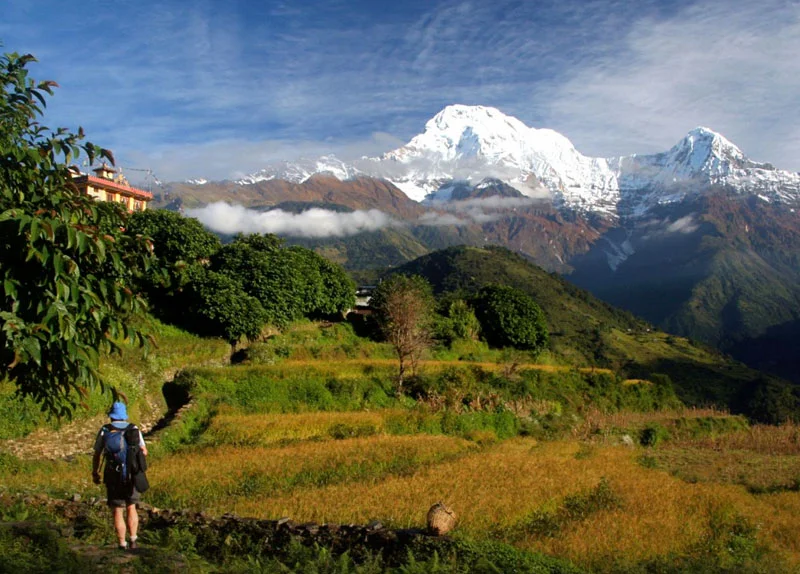
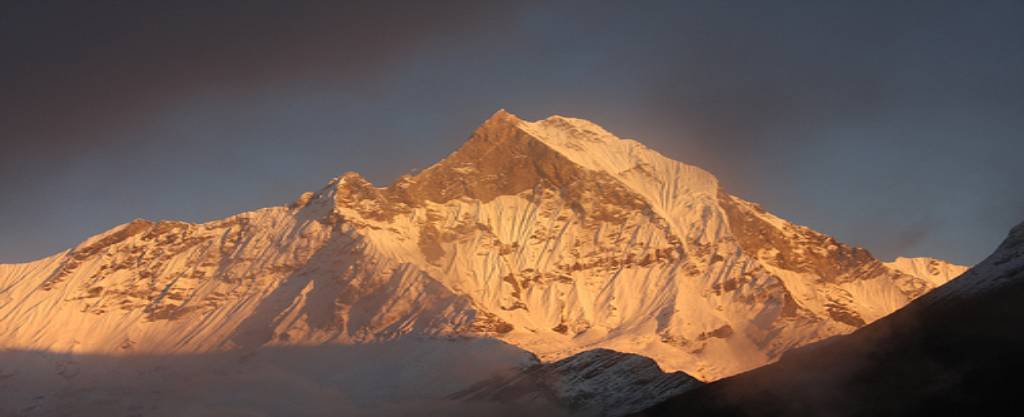
    Revel in panoramic views of towering Himalayan giants, including Annapurna, Machapuchare (Fishtail), and Hiunchuli. The trek offers unforgettable sunrise and sunset moments where the peaks glow in golden hues.

    Diverse Terrain and Scenic Trails
    Traverse varied landscapes, from dense rhododendron forests and terraced fields to rugged mountain trails and serene glacial rivers. The ever-changing terrain keeps the journey fresh and captivating at every turn.

    Rich Flora and Fauna
    Discover the vibrant biodiversity of the Annapurna region. Encounter blooming rhododendrons, orchids, and magnolias, as well as wildlife like Himalayan Thar, Langur monkeys, and the colorful Danphe (Himalayan Monal).

    Cultural Immersion and Local Villages
    Explore traditional Gurung and Magar villages, where ancient customs meet the daily rhythms of mountain life. The warm hospitality of the locals and their rich cultural heritage add a deeply personal touch to the trek.

    Authentic Nepali Cuisine
    Savor hearty local dishes like dal bhat (rice and lentils), momos (dumplings), and Tibetan bread at tea houses along the way. Each meal is a comforting reward that fuels your journey through the mountains.

    Comfortable Teahouse Accommodation
    Rest in cozy tea houses that provide basic yet comfortable lodging with stunning views. These traditional accommodations offer a warm retreat after a day of trekking, with hot meals and welcoming hosts.

    Accessible and Well-Marked Routes
    Known for its relatively moderate difficulty and well-established trails, the Annapurna Base Camp Trek is accessible to trekkers of varying experience levels, making it a popular choice for adventure seekers around the world.

The Annapurna Sanctuary Trek

The Annapurna Sanctuary Trek

Annapurna Sanctuary Trek: An Epic Journey Through Nepal’s Enchanted Valleys

Nestled in the heart of Nepal, the Annapurna Sanctuary Trek is more than just a trek—it’s an odyssey into the soul of the Himalayas. As you step onto the winding trails, a tapestry of natural beauty, cultural heritage, and spiritual awakening unfolds before you. Picture yourself walking through rhododendron forests, with the towering snow-capped peaks of Annapurna and Machapuchare watching over you like ancient guardians. The Annapurna Sanctuary is not just a place—it’s an experience that leaves an indelible mark on your heart.

This iconic trek, beginning in the serene Lake City of Pokhara and winding its way towards the fabled Annapurna Sanctuary, promises an adventure that transcends the ordinary. As you follow the trails carved by the footsteps of ancient pilgrims and explorers alike, you are embraced by the grandeur of nature and the warmth of the mountain people.

The Trek Experience: A Dance with Nature

The journey begins as you ascend from Pokhara into the Annapurna Sanctuary, a high-altitude glacial basin flanked by terraced fields and quaint villages. Here, the trail meanders through thick bamboo and alpine jungles that cling to the sides of the Modi River Gorge. The soothing sound of gushing waterfalls accompanies you, as playful Langur monkeys swing through the trees and a chorus of birdsongs fills the air.

As you trek deeper into the Annapurna region, the landscape evolves into a mesmerizing mix of alpine meadows and dense rhododendron forests. The presence of
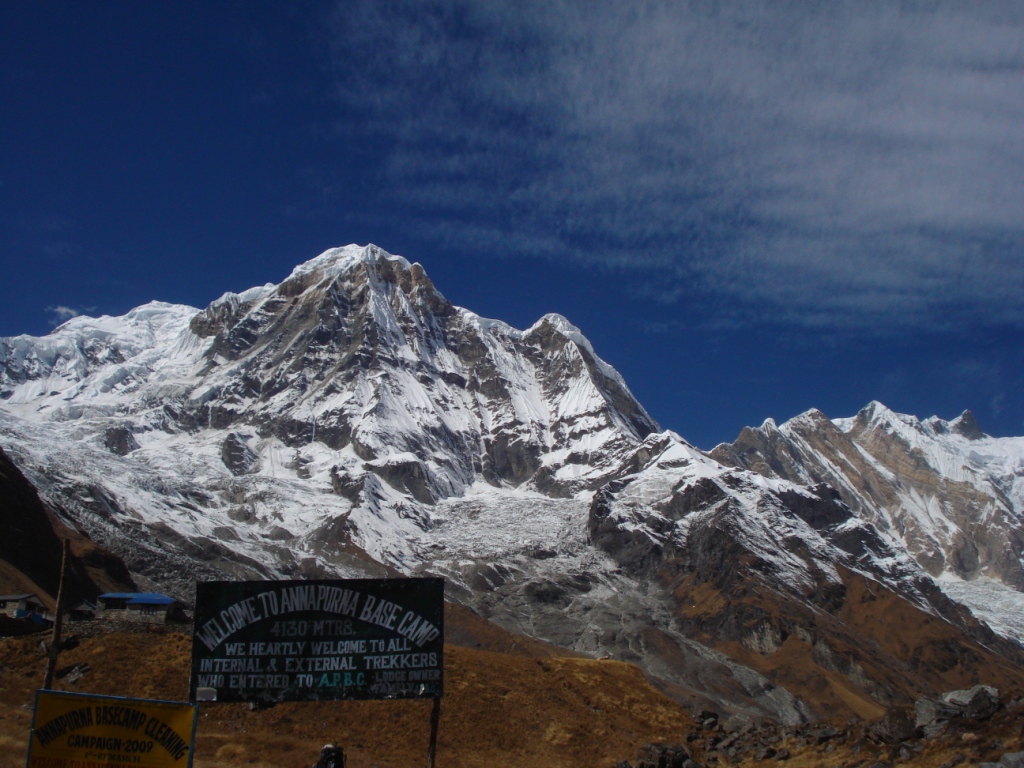
the revered Machhapuchhare (“Fishtail”) and Hiunchuli peaks on either side creates a natural gateway, leading you to Sir Chris Bonington’s celebrated Annapurna Base Camp. Here, at the heart of the Sanctuary, you are rewarded with breathtaking views of the South Face of the Annapurna Range—a sight that etches itself into the memory of every adventurer.

Terrain and Wildlife: Nature’s Spectacle

The terrain of the Annapurna sanctuary is as diverse as it is dramatic, offering trekkers a unique experience with each step. From lush, terraced lowlands to barren, high-altitude deserts, the path traverses a kaleidoscope of landscapes. The forests are alive with a tapestry of flora, including juniper, pine, spruce, oak, and the iconic rhododendron, Nepal’s national flower. As you climb higher, the alpine meadows bloom with edelweiss, primula, and saxifrage, painting the hillsides in delicate pastels.

The fauna here is equally captivating. Encounter small mountain ponies, sturdy yaks, and the occasional water buffalo or mule, all sharing the trail with trekkers. Look closely, and you might spot the Indian muntjac, wild goats, or the agile blue sheep navigating the rocky terrain. The upper reaches of the Annapurna region are home to the elusive snow leopard, a symbol of the wilderness that still reigns supreme in these remote mountains.

Cultural Riches: A Tapestry of Traditions

Beyond its natural splendor, the Annapurna sanctuary offers a deep dive into the cultural heart of Nepal. The trek passes through villages inhabited by the Gurungs and Magars, renowned as warriors of the British Army and skilled highland farmers cultivating rice, millet, corn, and buckwheat. The cultural landscape here is a blend of Buddhism, Bon Buddhism, Hinduism, and animism, with many locals tracing their heritage back to Mongol ancestors. Prayer flags flutter in the mountain breeze, and the sound of prayer wheels spinning echoes through the valleys, a testament to the spiritual resonance of this region.
The Manang Valley, in particular, offers a unique glimpse into the lives of its residents, who have not only thrived in these harsh conditions but have also ventured beyond Nepal, conducting business in bustling cities like Hong Kong, Singapore, and Thailand. The resilience and adaptability of the mountain people are a constant source of inspiration to those who walk these ancient paths.

Food and Accommodation: Comfort Amidst the Wilderness

Despite the ruggedness of the journey, the food and accommodation along the Annapurna sanctuary are comforting and nourishing. Trekkers are welcomed into cozy teahouses and lodges, where meals are hearty and satisfying. Traditional Nepali dishes like dal bhat (lentil soup with rice), momos (dumplings), and Tibetan bread are staples, but you’ll also find international fare like pasta and pancakes to suit varied tastes. Accommodations range from basic rooms with shared facilities to more comfortable lodges, depending on the altitude and remoteness of the location. As you climb higher, the lodges become simpler, but the hospitality of the locals never wanes.

A Trek Like No Other

The Annapurna sanctuary Trek is more than just a physical journey; it’s a soulful exploration of the mountains, a pilgrimage to the heart of Nepal’s Himalayas. With every sunrise over the snow-dusted peaks and every quiet evening spent under a canopy of stars, the trek weaves a story of adventure, culture, and nature that lingers long after the journey ends. It’s a call to wander, to embrace the unknown, and to connect deeply with the earth beneath your feet and the sky above.

Travel with a trusted travel agent

Mountain Legend Pvt. Ltd., established in 2009, is a premier travel agency based in Nepal, dedicated to offering authentic and sustainable trekking experiences in the Himalayas. Guided by the  ethos of “responsible tourism,” Mountain Legend adheres to international standards, including the guidelines set by the International Porter Protection Group, ensuring the welfare of porters and the environment. Our commitment to sustainable practices, cultural respect, and local community engagement positions them as a leader in Nepalese tourism, catering to adventurers seeking more than just a journey, but a transformative experience amid Nepal’s stunning landscapes.

Itinerary

  • Day 1 Departure from Home Country

    Begin your journey by departing from your home country, bound for the mystical lands
    of Nepal. Excitement builds as you embark on this epic adventure, with the majestic
    Himalayas awaiting your arrival.

  • Day 2 Arrival in Kathmandu

    Touch down at Tribhuvan International Airport, where a warm reception awaits. You’ll be whisked away to your hotel, ready to immerse yourself in the bustling tapestry of
    Kathmandu. This city is a mesmerizing blend of old and new—ancient temples stand
    alongside modern cafes, with a vibrant mix of cultures, cuisines, and colors. The air is
    rich with the scent of incense, and the streets hum with life. Explore at your leisure, and prepare for the journey ahead. Overnight at the hotel. Meals on your own.

  • Day 3 Fly to Pokhara and Trek to Pothana

    Start your day with a scenic domestic flight to Pokhara, known as the “Lake City” and
    gateway to the Annapurna Range. The flight offers breathtaking glimpses of
    snow-capped peaks, setting the tone for the adventures to come. A short drive takes
    you to Dhampus Phedi (914 m, about one and a half hours) , where your trek begins.
    Ascend gradually through lush forests and terraced fields to reach Pothana (Approx 4-5 hours), a charming village offering panoramic views of the Annapurna range. Overnight at a tea house. (Breakfast, Lunch, Dinner)

  • Day 4 Trek to New Jhinu Danda (1,780 m). Approx 6 hours

    Today’s trail weaves through chestnut forests and along ridges, offering stunning vistas
    of the valleys below. Pass through quaint villages like Landruk and cross the Modi River before a steep ascent to New Jhinu Danda. Here, you can relax in natural hot
    springs—a true reward after a day of trekking. Overnight at a tea house. (BLD)

  • Day 5 Uphill Trek to Sinuwa (2,340 m). Approx 6 ½ hours

    Begin your ascent towards Sinuwa, passing through the lively village of Chomrong, the
    gateway to the Annapurna Sanctuary. Stone stairways, terraced farms, and vibrant
    rhododendron forests make this leg of the journey both challenging and visually
    rewarding. As you climb, enjoy spectacular views of Annapurna South, Hiunchuli, and
    the iconic Machhapuchhre (Fishtail Mountain). Overnight at a tea house. (BLD)

  • Day 6 Trek to Deurali (3,200 m) via Bamboo

    The journey continues through a serene alpine forest, leading you to Khuldi Ghar where trekking permits are checked. Descend briefly before trekking uphill to Bamboo, a village named after the dense bamboo groves that line the path. The trail follows the
    Modi River, taking you through the village of Dovan and finally to Deurali, where you’ll
    rest beneath the looming peaks. Overnight at a tea house. (BLD)

  • Day 7 Trek to Machhapuchhre Base Camp (MCB) at 3,658 m. Approx 3-4 hours

    As you gain altitude, the air grows crisp and the landscape more rugged. Vegetation
    thins out to hardy shrubs, and the peaks draw ever closer. A series of steep climbs
    brings you to Machhapuchhre Base Camp, a serene plateau offering unobstructed
    views of towering Himalayan giants. Overnight at a tea house. (BLD)

  • Day 8 Trek to Annapurna Base Camp (ABC) at 4,130 m. Approx 3-4 hours

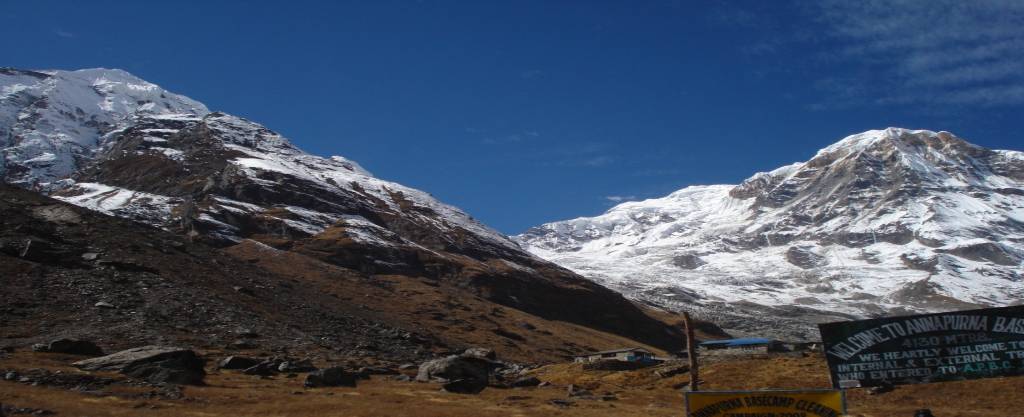
    The ascent to Annapurna Base Camp is a highlight of the trek. The path spirals upward, leading to a hidden basin surrounded by an amphitheater of snow-clad peaks. Here, you are in the heart of the Annapurna Sanctuary, with views of Annapurna I, Hiunchuli, and other majestic summits. The sheer scale and beauty of this place will leave you in awe. Overnight at a tea house. (BLD)

  • Day 9 Descend to Dovan (2,630 m). Approx 6-7 hours

    Rise early to witness a magical sunrise over the Annapurna range. As the first light of
    day bathes the peaks in hues of gold and pink, you’ll feel truly alive. Begin your descent, retracing your steps through the sanctuary and back to Dovan. The lower altitude brings a welcome ease to your breathing, and the path feels gentler on the way down. Overnight at a tea house. (BLD)

  • Day 10 Trek to Chomrong (2,170 m). Approx 6-7 hours

    Continue your descent through diverse forests of oak, rhododendron, pine, and
    bamboo. The trail to Chomrong involves both descents and ascents, as you cross the
    river and climb back to the village. Chomrong offers a familiar yet always breathtaking
    vista of Annapurna South and Machhapuchhre. Overnight at a tea house. (BLD)

  • Day 11 Trek to Tadapani (2,590 m). Approx 5-6 hours

    Today’s route takes you on a scenic trek along the high trail to Tadapani. Wander
    through forests dense with rhododendron and magnolia, the air fragrant with
    wildflowers. The day is filled with glimpses of the Annapurna South and
    Machhapuchhre, framed by the lush greenery of the landscape. Tadapani, nestled
    among the trees, offers an idyllic setting for a well-earned rest. Overnight at a tea
    house. (BLD)

  • Day 12 Trek to Ghorepani at 2,750 m. Approx 6 hours

    Descend through a rich forest, cross small streams, and ascend stone steps to the
    ridge-top village of Deurali. The views of the Kali Gandaki Valley and the surrounding
    peaks are simply spectacular. Another gentle descent brings you to Ghorepani, a village
    famous for its incredible panoramic views of Manaslu, Dhaulagiri and Annapurna.
    Overnight at a tea house. (BLD)

  • Day 13 Poon Hill Sunrise (3210 m) and Trek to Hille (1,520 m). Approx. 5-6 hours

    Wake before dawn for the steep climb to Poon Hill, where you’ll witness one of the most breathtaking sunrises in the Himalayas. As the sun rises, it illuminates the Dhaulagiri and Annapurna ranges in a stunning display of light and shadow. After descending from Poon Hill, trek through lush forests and along old trade routes to Hille. Overnight at a tea house. (BLD)

  • Day 14 Trek to Naya Pul(2 ½ hours. ) and Drive to Pokhara (1 hour)

    A leisurely descent brings you to the road head at Naya Pul. From here, a short drive
    takes you back to Pokhara. The day is yours to explore—stroll along the serene shores
    of Phewa Lake, visit local markets, or simply relax and soak in the beauty of the “Lake
    City.” Overnight at the hotel. Meals: Breakfast.

  • Day 15 Pokhara to Kathmandu

    Spend the morning at your leisure in Pokhara before a short afternoon flight returns you to Kathmandu. The rest of the day is free for you to explore or relax as you wish.
    Overnight at the hotel. Meals: Breakfast.

  • Day 16 Kathmandu Sightseeing

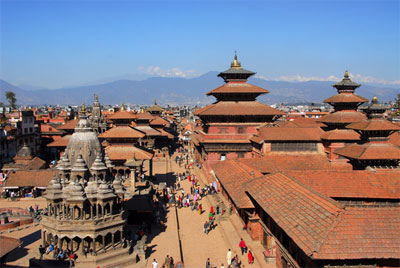
    Your day begins with a guided tour of Kathmandu’s historic sites, including Durbar
    Square and Swayambhunath, the ancient stupa known as the “Monkey Temple.” The
    afternoon is free for you to explore Thamel, a bustling district filled with shops, cafes,
    and a vibrant mix of locals and tourists. The city’s blend of spirituality and history
    provides a fitting finale to your journey. Overnight at the hotel. Meals: Breakfast.

  • Day 17 Departure

    Bid farewell to Kathmandu as you head to Tribhuvan International Airport for your flight home, carrying with you memories of Nepal’s awe-inspiring landscapes, warm
    hospitality, and the vibrant culture that makes this land so special.

Cost Include and Exclude

Include
    • Airport pick up and drop-off as per the itinerary
    • Flights
    • One porter for two clients
    • An Experienced Trekking guide and a porter
    • Meals and Accommodation
    • Entry fees
    • Hotel accommodation
    • Ground transportation
    • Twin sharing teahouse accommodations
    • Duffle bag
    • Farewell dinner
Exclude
    • Nepal visa
    • Alcoholic beverages, bottled mineral water, soft drinks, and snack foods
    • Personal medical or evacuation expense
    • Extra porter for personal day backpack
    • Riding horse or any extra activities
    • Extra cost on natural disaster
    • Kathmandu/Pokhara sightseeing
    • Extra night hotel in Kathmandu
    • Clothing, Packing Items, Personal Medical Kit, Personal Trekking Gears
    • Foods in Kathmandu and Pokhara
    • Tips or gifts to staffs

Frequently Asked Questions

  • What is the best time to trek to Annapurna Base Camp?

    The best time to trek to Annapurna Base Camp is during the spring (March to May) and autumn September to November) seasons. During these months, the weather is mild, skies are clear, and the trails are adorned with blooming rhododendrons or vibrant fall colors, offering the best mountain views.

  • How difficult is the Annapurna Base Camp Trek?

    The Annapurna Base Camp Trek is considered a moderate trek, suitable for trekkers with a reasonable level of fitness. The trails involve a mix of uphill climbs, stone steps, and some long trekking days, but no technical climbing is required. Proper acclimatization and a steady pace make it achievable for beginners and experienced trekkers alike.

  • What permits are required for the Annapurna Base Camp Trek?

    Trekkers need two permits: the Annapurna Conservation Area Permit (ACAP) and the Trekkers’ Information Management System (TIMS) card. These permits can be obtained in Kathmandu or Pokhara, and they help support conservation efforts and ensure trekkers’ safety in the region.

  • What should I pack for the Annapurna Base Camp Trek?

    Essential items include sturdy trekking boots, warm clothing (layers, fleece, and a down jacket), a waterproof jacket, a hat, gloves, trekking poles, a good-quality backpack, and a sleeping bag. Don’t forget sun protection (hat, sunglasses, and sunscreen), a water purification system, and basic first aid. Packing light but effectively is key to a comfortable trek.

  • What type of accommodation and food can I expect on the trek?

    Accommodation along the Annapurna Base Camp Trek is in teahouses, which offer basic rooms with shared facilities. These teahouses provide a warm place to rest and serve a variety of meals, including local Nepali dishes like dal bhat, as well as pasta, soups, and snacks. While facilities are basic, the hospitality is warm and welcoming, adding to the charm of the trek.

Testimonials

Add On Package

Similar Tours You May Like

We are affiliated with