For Call Support:
977-1-4529994

Trek Duration

5-7 days

Trek Grade

Moderate

Max Trekking Altitude

4,500 meters (14,764 feet)

Best time to go

March-May & Sept-Nov

Highlights

    • 1. Spectacular Mountain Views
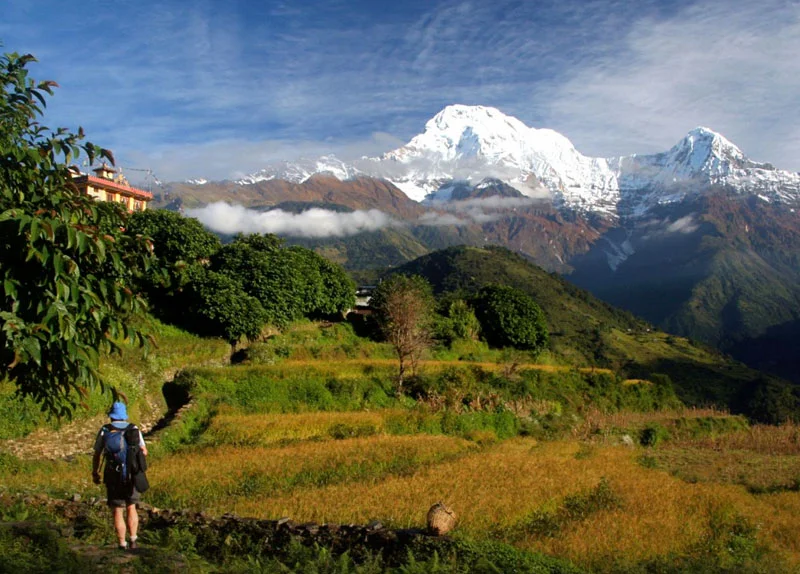
      The trek provides unparalleled views of Mardi Himal, Machhapuchhre (Fishtail), and the Annapurna massif. The closer you get to Mardi Himal Base Camp (4,500m), the more majestic the scenery becomes. Sunrises here are a painter’s dream, with golden hues lighting up the Himalayan giants.
    • 2. Less Crowded Trails
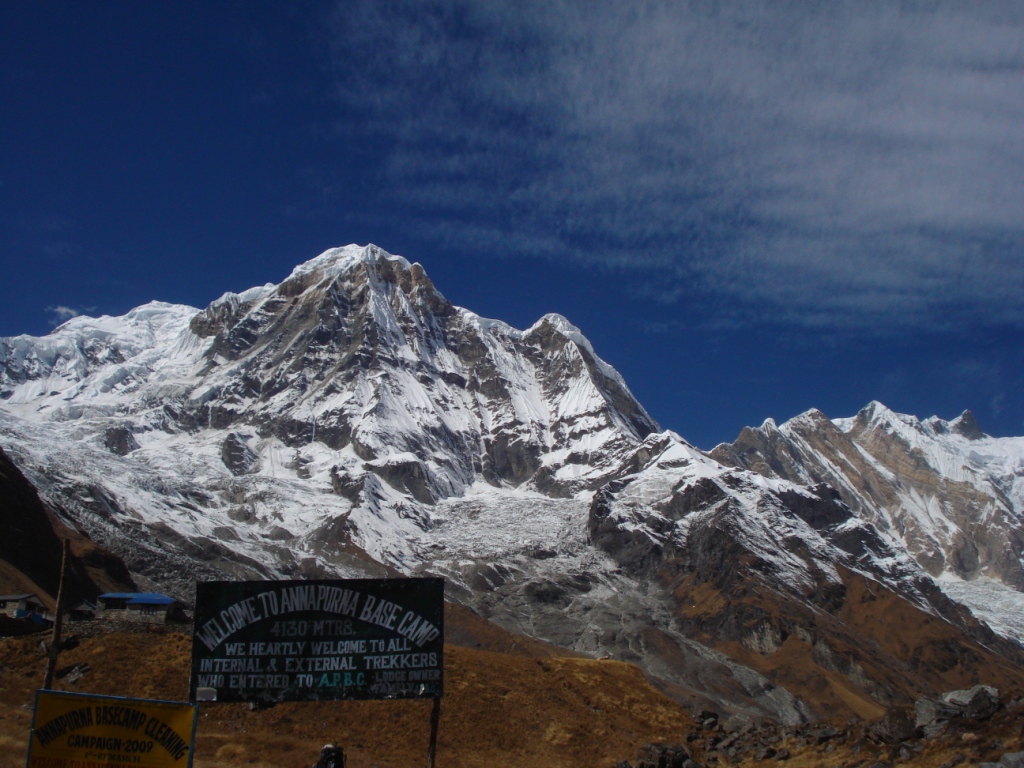
      Unlike the popular Annapurna Base Camp trek or the Everest Base Camp trek, Mardi Himal sees fewer trekkers, making it ideal for those who seek solitude amidst nature. You’ll enjoy peaceful trails, untouched landscapes, and authentic encounters with locals.
    • 3. Varied Landscapes
      From lush rhododendron forests that bloom in spring to rugged alpine meadows, the Mardi Himal trek is a treat for nature lovers. The transition in scenery as you ascend is simply mesmerizing.
    • 4. Relatively Short Trek
      For those with limited time, the Mardi Himal trek is a great choice. The trek can be completed in 4–7 days, depending on your pace and starting point. It’s ideal for adventurers looking for a quick yet immersive Himalayan experience.
    • 5. Easy Accessibility
      Starting from Pokhara, a popular tourist hub in Nepal, the trek is easy to access. A short drive takes you to the starting point at Kande or Phedi. This makes Mardi Himal an excellent choice for first-time trekkers and experienced adventurers alike.
    • 6. Cultural Immersion
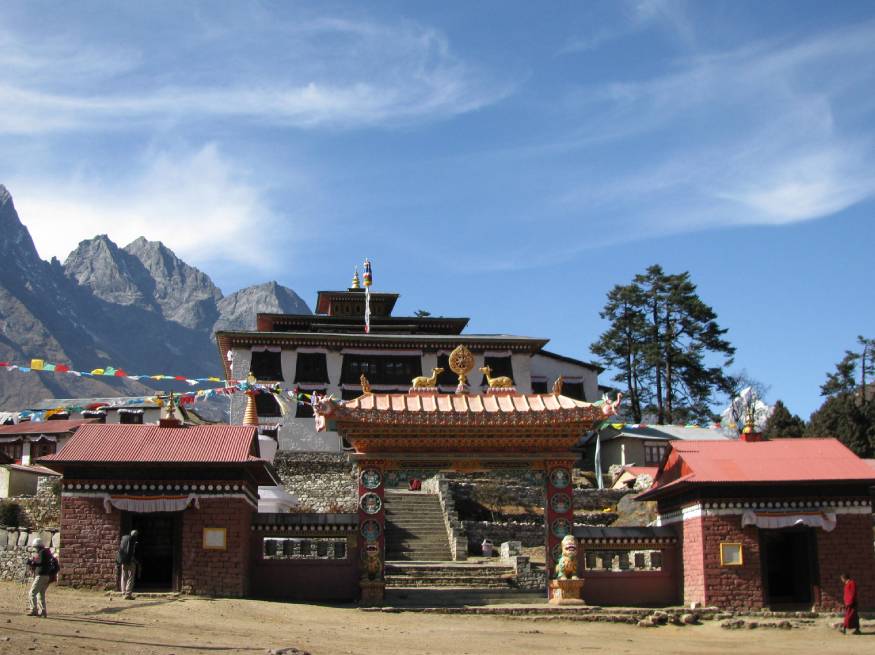
      The trek winds through traditional Gurung villages, offering a glimpse into the region’s rich culture and warm hospitality. Savor local delicacies like dal bhat and interact with friendly villagers for an enriching cultural experience.
    • 7. Budget-Friendly Adventure
      The Mardi Himal trek is one of the more affordable treks in Nepal. With basic teahouse accommodations and inexpensive permits, it’s perfect for budget-conscious travelers who want an authentic Himalayan adventure.

Mardi Himal Trek

Imagine walking through lush forests, vibrant rhododendron blossoms, and quaint villages, only to emerge in high alpine landscapes with jaw-dropping views of snow-capped peaks. The Mardi Himal Trek takes you from dense greenery to the barren yet stunning beauty of the high Himalayas, making every day on the trail a delightful surprise.
This trek, a less-traveled alternative to popular routes like Annapurna Base Camp and Poon Hill, is perfect for adventure enthusiasts seeking serenity, natural beauty, and a taste of Nepalese culture.

Best Time to Visit
The best time for the Mardi Himal Trek is during the spring (March-May) and autumn (September-November) seasons. During these months, the skies are clear, the weather is mild, and the views of Mardi Himal, Machhapuchhre (Fishtail), Annapurna South, and Hiunchuli are nothing short of spectacular. Spring adds the bonus of blooming rhododendron forests, painting the trail with bursts of red and pink.
Altitude and Terrain
The trek reaches its highest point at the Mardi Himal Base Camp, which stands at 4,500 meters (14,764 feet). The journey begins at an altitude of around 800 meters and gradually ascends through diverse terrain—terraced farmlands, subtropical forests, rocky paths, and high ridges. Though the trek is moderately challenging, it’s suitable for both experienced trekkers and fit beginners.
Mountains and Rivers
One of the trek’s highlights is the close-up views of Machhapuchhre, often referred to as the “Matterhorn of Nepal” due to its unique fishtail shape. Other majestic peaks, including Annapurna I, Annapurna South, and Hiunchuli, form a dramatic backdrop throughout the journey. The Seti River and numerous mountain streams accompany you along the trail, adding a refreshing charm to the experience.
Flora and Fauna
The Mardi Himal region boasts incredible biodiversity. In the lower elevations, trekkers will encounter subtropical forests filled with oak, maple, and rhododendron. Wildlife enthusiasts might spot animals like langurs, barking deer, and even the elusive red panda. Birdwatchers will be thrilled by sightings of colorful Himalayan birds, including pheasants and eagles.
People and Culture
The Mardi Himal Trek provides a window into the authentic lifestyle of the Gurung and Magar communities, who inhabit the villages along the trail. Their warm hospitality, traditional homes, and unique festivals create a rich cultural experience. You’ll witness daily activities like farming, herding, and weaving, which offer a glimpse into their simple yet fulfilling lives.
Food and Accommodation
The trek offers comfortable teahouse accommodations, where you can rest in cozy rooms with basic amenities. Meals typically include traditional Nepalese dishes like dal bhat (lentils and rice), hearty soups, and a variety of noodle and rice-based meals. Many teahouses also serve Western dishes, including pancakes, pasta, and fried rice, ensuring there’s something for everyone.

Frequently Asked Questions

  • What is the Mardi Himal Trek?

    The Mardi Himal Trek is a scenic and relatively less-crowded trekking route in Nepal’s Annapurna region. It offers incredible views of the Annapurna and Machhapuchhre (Fishtail) mountains, along with a diverse range of landscapes, from subtropical forests to alpine meadows. The trek takes you up to the Mardi Himal Base Camp at 4,500 meters (14,764 feet).

  • How difficult is the Mardi Himal Trek?

    The Mardi Himal Trek is considered a moderate trek, making it suitable for both experienced trekkers and fit beginners. The trail involves gradual ascents, with some steeper sections near the higher altitudes. Proper acclimatization and a good level of fitness are recommended to manage the altitude comfortably.

  • What is the best time to do the Mardi Himal Trek?

    The best time to trek Mardi Himal is during spring (March-May) and autumn (September-November). During these months, the weather is generally clear and mild, with stunning views of the mountains. Spring also brings vibrant rhododendron blooms, making the trek even more beautiful.

  • What are the accommodation options during the trek?

    Throughout the Mardi Himal Trek, trekkers stay in teahouses (basic lodges) that provide cozy rooms and basic amenities. These teahouses serve local and international food such as dal bhat (lentils and rice), noodle soups, pancakes, and fried rice. The accommodation is simple but comfortable, with a warm, friendly atmosphere.

  • How high is Mardi Himal Base Camp?

    The Mardi Himal Base Camp stands at an altitude of 4,500 meters (14,764 feet). This is the highest point on the trek, offering panoramic views of the surrounding Himalayan peaks.

  • Is the Mardi Himal Trek safe?

    Yes, the Mardi Himal Trek is generally considered safe, especially if you follow the basic trekking guidelines, such as acclimatizing properly and staying hydrated. Hiring a licensed guide or porter can also enhance safety and enrich your experience by providing local knowledge.

  • What kind of food is available on the Mardi Himal Trek?

    The teahouses along the Mardi Himal Trek serve a mix of Nepalese and Western cuisine. Typical meals include dal bhat, noodle soups, fried rice, and vegetable curries. You’ll also find pancakes, pasta, and potatoes. The food is nutritious, with plenty of vegetarian options available.

  • How long is the Mardi Himal Trek?

    The trek usually takes about 5 to 7 days depending on the pace and the route you choose. It’s generally divided into 6 stages, starting from Kande and reaching the Mardi Himal Base Camp, with descents through the same trail.

  • What is the maximum altitude of the Mardi Himal Trek?

    The highest point of the Mardi Himal Trek is the Mardi Himal Base Camp at 4,500 meters (14,764 feet). The altitude is manageable for most trekkers, but it’s important to take necessary precautions to prevent altitude sickness.

  • Do I need a guide for the Mardi Himal Trek?

    While the Mardi Himal Trek is relatively straightforward, hiring a guide or porter can be very helpful, especially if it’s your first time trekking in Nepal. A guide can enhance your experience by providing insights into the local culture and flora, while a porter will help with carrying your heavy gear, making the trek more enjoyable.

  • What should I pack for the Mardi Himal Trek?

    Essential items to pack for the Mardi Himal Trek include:
    • Trekking boots (waterproof)
    • Warm layers (even in the spring and autumn months, it gets cold at higher altitudes)
    • Sleeping bag (if not provided by your teahouse)
    • Rain gear
    • Sunscreen and sunglasses
    • Personal medications and first aid kit
    • Water purification tablets
    • Camera to capture the stunning views

  • Is altitude sickness a concern on the Mardi Himal Trek?

    Altitude sickness is a possibility at higher altitudes, especially around 3,500 meters and above. However, since the Mardi Himal Trek ascends gradually, with adequate acclimatization time, the risk is low for most trekkers. Remember to drink plenty of water, avoid overexertion, and listen to your body.

  • What cultural experiences can I expect on the Mardi Himal Trek?

    The Mardi Himal Trek offers a wonderful opportunity to interact with the Gurung and Magar people, the indigenous communities living in the region. You’ll have a chance to observe their traditional way of life, experience local festivals, and enjoy their warm hospitality.

  • Can I trek Mardi Himal solo?

    Yes, solo trekking is allowed in Nepal; however, it’s recommended to trek with a guide, especially if you’re unfamiliar with the terrain or if you’re trekking in higher altitudes. A guide will make your trek safer and more enriching, ensuring you don’t miss out on any cultural or natural highlights.

  • How do I get to the Mardi Himal Trek starting point?

    The trek begins in Kande, which is accessible by a scenic drive from Pokhara (about 30-45 minutes). Pokhara is well connected by road and air to Kathmandu, Nepal’s capital.

Testimonials

Similar Tours You May Like

We are affiliated with